In today's skincare market, choosing safe and effective products can be overwhelming. Understanding what certifications should skincare products have is essential for consumers. Certifications serve as assurance that a product meets specific safety and efficacy standards. They reflect a brand's commitment to quality, transparency, and consumer protection.
Many skincare products boast various certifications, but not all are equally trustworthy. For instance, organic labels may appear appealing but lack rigorous oversight. Some consumers may overlook the fine print or trust marketing claims without seeking evidence. This can lead to confusion and ultimately impact skin health.
Being informed about reputable certifications is crucial. Brands that comply with recognized standards often invest in research and development. They prioritize safety and offer better options for consumers. However, skepticism is healthy; not all certifications guarantee superior quality. It's essential to scrutinize and reflect on what certifications should skincare products have before making a purchase.
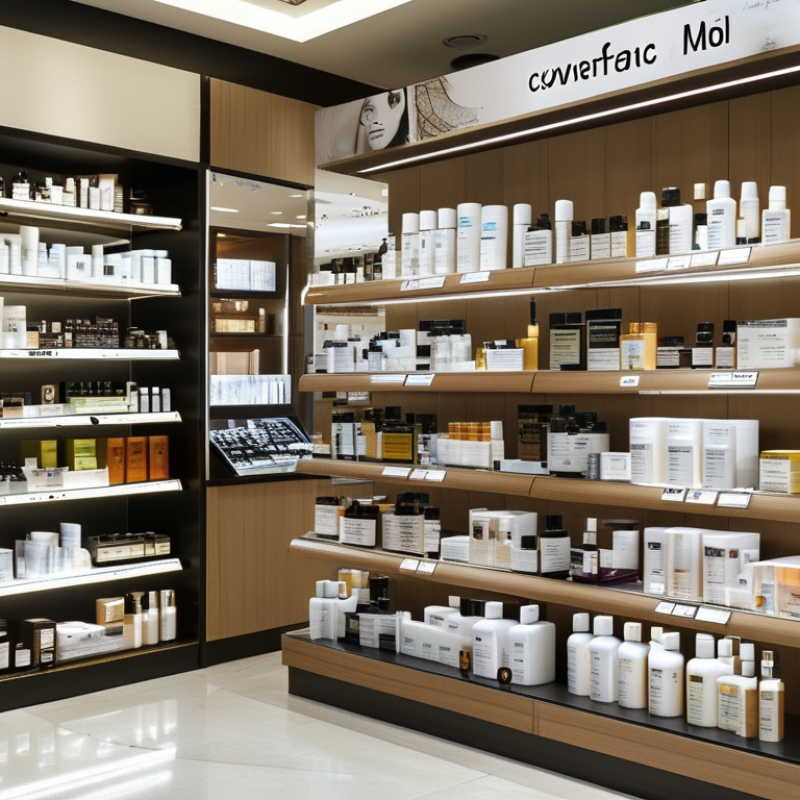
In the cosmetic industry, skincare product certifications play a crucial role in ensuring safety and efficacy. According to a report by the Personal Care Products Council, around 25% of consumers check for certifications before making a purchase. This statistic underscores the importance of trust in product claims. Certifications such as the "USDA Organic," "Leaping Bunny," and "Dermatologically Tested" signal that products have met specific safety and ethical standards.
The "Leaping Bunny" certification, for instance, indicates that no animal testing occurred in the product's development. This reflects a growing consumer preference for cruelty-free products. Additionally, the "Dermatologically Tested" label assures customers that a product has undergone clinical testing for skin compatibility. The usage of these certifications can drive purchasing decisions as consumers become more educated about skin health and product safety.
Despite these certifications, the landscape still poses challenges. Not all certifications have the same rigorous standards, leading to potential consumer confusion. A 2022 study revealed that 30% of consumers felt overwhelmed by the number of labels available. This gap requires ongoing education for both consumers and manufacturers. In navigating product choices, consumers should remain informed about what certifications truly mean, ensuring they select the safest and most effective skincare products for their needs.
When evaluating skincare product safety, the role of the FDA is crucial. The FDA does not directly approve cosmetic products before they hit the shelves. Instead, it regulates them post-market. This means that consumers may use products that have not undergone rigorous pre-market testing. The agency does monitor reports of adverse effects, but this system relies heavily on user feedback. Some people may report issues, while others might not.
The Cosmetic Ingredient Review (CIR) is another important aspect of safety. This independent panel assesses the safety of cosmetic ingredients. While their evaluations provide insights, not all ingredients are reviewed. A lack of thorough reviews raises questions about hidden toxins in some products. Furthermore, ingredient sources may vary in quality, making it hard to determine overall safety. Consumers should always research ingredients and be aware of potential skin reactions. Reflection on personal experience is vital; what works for one person may not suit another.
When choosing skincare products, dermatological testing certifications play a crucial role in ensuring safety. These certifications indicate that products have undergone rigorous testing to assess their effects on the skin. A product that claims to be hypoallergenic or non-comedogenic should ideally have clear certifications. This adds an extra layer of trust and security for consumers.
Here are a few tips to consider when evaluating certifications. Look for the presence of dermatologically tested seals. They signify that the product has been reviewed by professionals. Remember, not all certifications are created equal. Some may lack stringent standards. Always seek reliable sources for clarity.
It's essential to reflect on your own skin's needs. A product might be certified yet still cause irritation. Personal experience matters significantly in choosing what works for you. Keep notes on how your skin reacts to different products. This self-awareness can guide future purchases. Being diligent in your research will lead you toward safer skin care choices.
In recent years, the demand for cruelty-free and vegan certifications in skincare has surged. A report by Grand View Research indicates that the cruelty-free skincare market is projected to reach $15.6 billion by 2028. Consumers are increasingly aware of animal welfare and environmental impact, making these certifications essential for product safety.
Cruelty-free certifications ensure that products are not tested on animals. This commitment reflects ethical practices in formulating skincare lines. According to the Humane Society International, around 75% of consumers prefer cruelty-free products. Vegan certifications, on the other hand, confirm that no animal-derived ingredients are used. This reduces the risk of allergens and sensitivities associated with such ingredients.
Tips for consumers: Always look for recognized certifications on product labels. These certifications help guarantee that standards were met. Additionally, consider choosing brands with transparent sourcing practices. Do your research; not all labels guarantee holistic safety. It’s vital to understand that “natural” isn’t equal to “safe.” Always patch-test new products to avoid adverse reactions.
| Certification | Description | Importance | Examples of Use |
|---|---|---|---|
| Cruelty-Free | Indicates that products were not tested on animals at any stage of production. | Supports animal welfare and encourages companies to adopt humane testing practices. | Widely used by brands aiming for ethical consumer appeal. |
| Vegan | No ingredients derived from animals are used in the formulation. | Helps consumers avoid animal exploitation and promotes environmental sustainability. | Popular among consumers following plant-based lifestyles. |
| Organic | Products made from ingredients grown without synthetic pesticides or fertilizers. | Minimizes chemical exposure and enhances environmental health. | Frequently found in skincare targeting health-conscious consumers. |
| Non-Toxic | Products free from harmful chemicals and irritants. | Promotes skin safety and well-being. | Commonly sought by consumers with sensitive skin or allergies. |
| Sustainable | Practices aimed at reducing environmental impact through responsible sourcing and packaging. | Supports ecological balance and responsible consumption. | Increasingly adopted by brands aiming for eco-conscious markets. |
Eco-certifications have become essential in the skincare industry. These certifications ensure that products not only prioritize skin health but also protect the planet. A recent report from the Global Beauty Initiative found that consumers are increasingly seeking eco-friendly products. In fact, 70% of shoppers consider environmental impact when purchasing skincare items.
Many certifications guide consumers. For instance, the USDA Organic seal guarantees that products are made with organic ingredients. Similarly, the Ecocert label signifies compliance with environmentally friendly practices. These certifications often require transparency in sourcing and manufacturing processes. This complexity can create confusion. Some brands may claim eco-friendliness without sufficient backing.
Moreover, the Environmental Working Group (EWG) highlights the lack of consistency among certifications. Not all labels hold the same weight. Consumers should research and seek reputable certifications. Understanding the criteria for these labels is vital. A lack of standardization can lead to greenwashing. Brands may mislead consumers about their true environmental impact. It's essential to look beyond the label and scrutinize the claims made.
: Certifications ensure the safety and efficacy of skincare products, building consumer trust in product claims.
It indicates that no animal testing was done during the product's development, appealing to cruelty-free consumers.
These labels assure customers that the product has been clinically tested for skin compatibility.
A significant number of consumers find too many certifications confusing, leading to uncertainty about their meanings.
Consumers should look for recognized certifications and do thorough research on their meanings and implications.
They guarantee that no animal-derived ingredients are used, reducing allergen risks and promoting ethical practices.
They ensure products prioritize skin health while also protecting the environment, reflecting a commitment to sustainability.
They should seek reputable certifications and investigate the criteria behind different eco-labels to avoid misleading claims.
It helps prevent adverse reactions by allowing users to gauge their skin's compatibility with the new product.
Consumers must be cautious of greenwashing, where brands may misrepresent their true environmental impact.
When considering what certifications should skincare products have, it is essential to understand various safety and ethical standards that ensure product reliability. Certifications in the cosmetic industry often include evaluations by the FDA and organizations like the Cosmetic Ingredient Review, which assess ingredient safety. Dermatological testing certifications play a crucial role in identifying products that are safe for skin use, reducing the risk of irritation or allergic reactions.
Moreover, the importance of cruelty-free and vegan certifications cannot be overlooked, as they align with growing consumer demand for ethical practices in product development. Additionally, eco-certifications highlight the sustainability of skincare products, emphasizing their environmental impact. Ultimately, choosing skincare products with these certifications helps consumers make informed decisions about safety and ethics, enhancing their overall trust in the products they use.

Kushkie Beauty