In recent years, clean beauty has gained significant attention. Consumers are becoming increasingly aware of the ingredients in their skincare products. This shift raises a crucial question: how are clean beauty products manufactured in sustainable ways?
Understanding the production process is vital. Each step, from sourcing raw materials to packaging, can impact the environment. For instance, some brands use organic ingredients while others rely on synthetic ones. The methods of extraction and processing also vary greatly. Not all brands prioritize eco-friendly practices.
The quest for sustainability in beauty goes beyond just ingredients. It's important to consider how packaging affects waste management. Biodegradable materials and refillable containers are part of the solution. Yet, there are still challenges that need addressing. Many companies struggle to balance sustainability with cost. This creates a complex landscape where not all clean beauty products are truly clean.
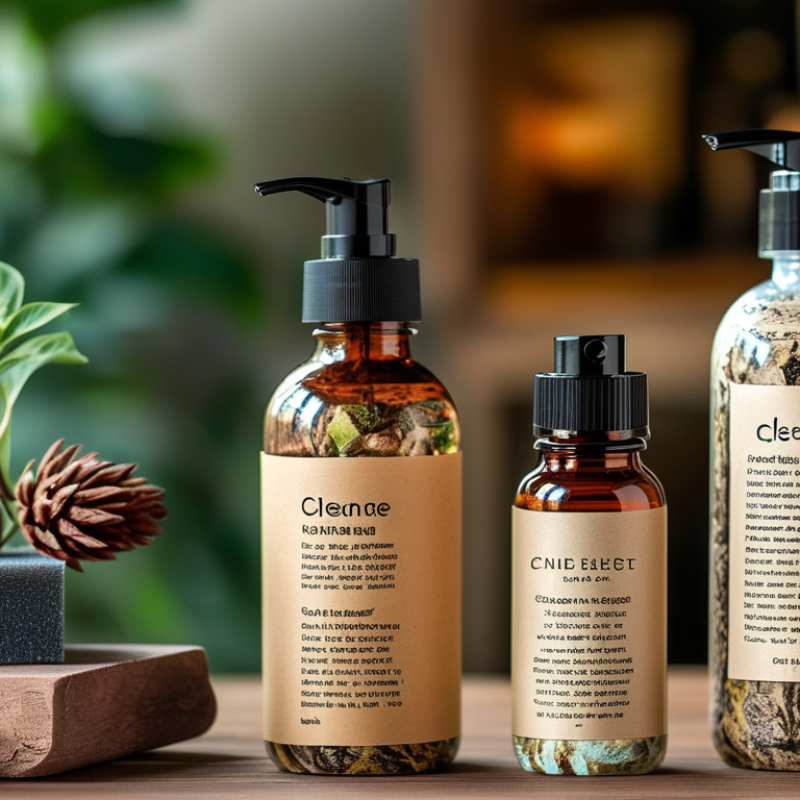
Sourcing organic and natural ingredients is essential for creating clean beauty products. Many consumers now seek transparency in product origins. This movement emphasizes ethical sourcing and environmental considerations. Farmers growing these ingredients often face challenges, including climate change. The journey from soil to shelf demands attention and care.
Organic ingredients come from farms that avoid synthetic pesticides. These practices enhance soil health. However, not all organic farms are created equal. Some may still lack sustainable practices. It's crucial for manufacturers to partner with trustworthy suppliers who prioritize environmental stewardship. Supporting local farmers can also strengthen communities, yet this requires ongoing commitment and education.
Natural ingredients often come with their own set of challenges. Wildcrafted plants must be harvested responsibly to avoid overexploitation. This delicate balance can be tricky. Brands must reflect on their sourcing methods. Sustainable practices are not just a selling point; they are a necessity for the planet's health. While many companies strive for excellence, the journey toward true sustainability is ongoing and complex.
| Ingredient Type | Source | Sustainability Practice | Benefits |
|---|---|---|---|
| Shea Butter | West Africa | Fair trade programs | Moisturizing, anti-inflammatory |
| Aloe Vera | Global | Organic farming | Hydrating, soothing |
| Coconut Oil | Tropical regions | Wildcrafted methods | Moisturizing, antimicrobial |
| Jojoba Oil | North America | Sustainable harvesting | Balancing, moisturizing |
| Beeswax | Worldwide | Responsible beekeeping | Protective, emollient |
: These processes aim to reduce environmental impact through waterless formulations and biodegradable packaging.
They conserve water and cut carbon emissions during production, making the manufacturing process more sustainable.
Using solar power can lower carbon footprints by up to 30%, promoting sustainability in manufacturing.
Ethical sourcing can increase production costs, making it difficult for smaller brands to implement changes.
They should disclose practices and certifications clearly to build consumer trust and avoid being seen as inauthentic.
Biodegradable materials and refillable packaging can significantly reduce waste and foster sustainability among consumers.
Providing clear information about packaging choices can help consumers understand the importance of sustainability.
Innovative methods like in-vitro testing or synthetic models can replace traditional animal testing.
It builds trust with consumers and encourages brands to engage with ethical suppliers.
Research brands, seek certifications, and recognize that small steps in ethical practices can lead to broader changes.
The article "How Are Clean Beauty Products Made in Sustainable Ways?" explores the intricate processes involved in the manufacturing of clean beauty products. It begins by highlighting the importance of sourcing organic and natural ingredients, which form the foundation of these eco-friendly items. Following ingredient selection, the article discusses how eco-friendly manufacturing processes are implemented to minimize environmental impact during production.
Furthermore, sustainable packaging solutions play a crucial role in clean beauty, ensuring that products are not only effective but also environmentally responsible. The commitment to cruelty-free practices ensures that no animals are harmed during development. Lastly, the article emphasizes the need for transparency and ethical standards among clean beauty brands, fostering consumer trust and awareness. Overall, understanding how clean beauty products are manufactured involves looking at these key areas that prioritize both innovation and sustainability in the beauty industry.

 Kushkie Beauty