A new serum can look promising on Monday and seem unchanged by Friday. That gap is why “how long does it take skincare products to work” is a practical question, not a small detail. Timelines depend on the ingredient, the concern, and consistent use. A moisturizer may ease dryness quickly; fading dark spots usually takes longer. Skin is not a stopwatch.
The American Academy of Dermatology (AAD) advises that acne treatments may take six to eight weeks to show improvement, with clearer results often requiring several months. That guidance offers a useful benchmark, not a promise for every product or person. Market data also shows why clear expectations matter: Grand View Research valued the global skincare market at $115.65 billion in 2024, reflecting a crowded field of products and claims. More choice does not mean faster results.
Board-certified dermatologist Dr. Hadley King has emphasized that visible skincare changes generally require consistent use over time; her practical message is to give products weeks, not days. This guide compares ten popular skincare product types and their typical timelines, from cleansers and moisturizers to retinoids and sunscreen. It also separates early sensations from measurable change: less tightness is not the same as fewer dark spots. A useful caution: some skin reacts badly, even to a well-reviewed formula. Stop and seek professional advice if irritation persists. These estimates are starting points, not guarantees. Skin varies.
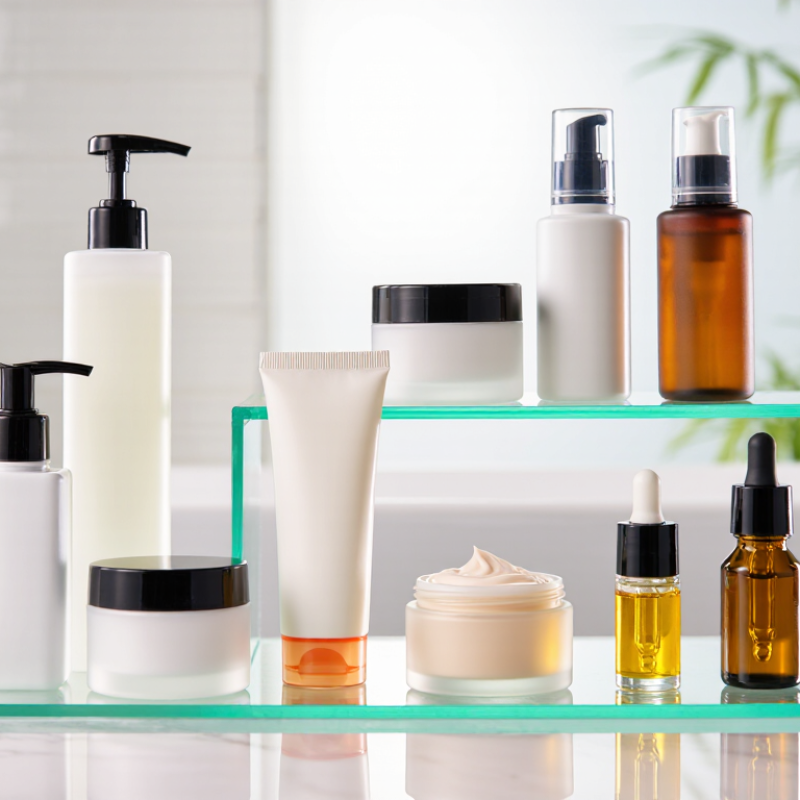
Top 10 Skincare Products and How Long They Take to Work?
How Skincare Results Are Measured and What Affects Their Timing
A skincare result needs a clear measure, not just a brighter bathroom mirror. Clinicians may compare standardized photographs, skin hydration readings, redness, acne counts, or wrinkle scores. Photos work best with the same lighting, camera distance, and facial expression. Small changes can otherwise look dramatic. Or disappear.
Timing varies with the concern and the product. The American Academy of Dermatology advises that acne treatments may need six to eight weeks before improvement appears. More complete clearing can take several months. For photoaging, a randomized trial of 903 adults, published in Annals of Internal Medicine in 2013, found 24% less skin-aging progression among daily sunscreen users than discretionary users over 4.5 years. That is a measured long-term difference, not a quick glow.
Concentration, frequency, irritation, sun exposure, and consistency all affect results. So can sleep, climate, and the condition being treated. A moisturizer may ease tightness quickly, while changes in uneven tone usually need longer observation. Keep a simple log. Note the date, product use, irritation, and any changes; take monthly photos near a window at the same time of day. One caveat: home lighting and memory are unreliable measures, and even careful tracking cannot prove a product caused every change.
Timeframes below are typical estimates, not guarantees. Results depend on the formula, how consistently it is used, skin characteristics, and the outcome being measured.
| Product Type | Main Purpose | Typical Time to Notice a Result | How Results Can Be Measured | Factors That Affect Timing |
|---|---|---|---|---|
| Cleanser | Removes surface oil, sunscreen, makeup, and everyday debris. | After the first use for cleansing; changes in breakouts or skin comfort may take several weeks. | Assess whether skin feels clean without persistent tightness or irritation; track blemishes over time. | Cleanser strength, water temperature, washing frequency, and whether it suits the skin type. |
| Moisturizer | Supports the skin barrier and reduces dryness and water loss. | Softness may improve within hours; ongoing dryness or barrier discomfort may take days to a few weeks. | Record dryness, flaking, tightness, and comfort; use consistent lighting for photos. | Formula, climate, bathing habits, the severity of dryness, and other irritating products. |
| Sunscreen | Helps protect skin from ultraviolet (UV) exposure when applied as directed. | Protection begins after application according to the product directions; prevention of visible sun damage is assessed over months to years. | Check application coverage and amount; monitor sunburn and longer-term changes such as uneven pigmentation. | Amount applied, reapplication, sweating, water exposure, time outdoors, and UV intensity. |
| Vitamin C Serum | Antioxidant support and help improve the appearance of uneven tone. | Some people notice a brighter appearance in several weeks; changes in dark spots often take about 8–12 weeks or longer. | Compare photographs taken in consistent lighting and track the size or darkness of spots. | Formula stability, concentration, consistent use, sun protection, and the cause of discoloration. |
| Niacinamide Serum | May support the skin barrier and improve the appearance of oiliness, redness, or uneven tone. | Skin comfort may improve in a few weeks; visible tone or oiliness changes can take about 4–12 weeks. | Track redness, shine, irritation, and tone in regular photos or a simple daily log. | Concentration, formulation, frequency of use, skin sensitivity, and the other products in the routine. |
| Salicylic Acid Treatment | Helps unclog pores and manage blackheads and blemishes. | Some improvement may appear in 2–6 weeks; a fair assessment commonly takes 6–12 weeks. | Count new blemishes weekly and note blackheads, clogged pores, dryness, or irritation. | Strength and frequency, acne type, irritation, consistency, and whether the routine is too drying. |
| Benzoyl Peroxide Treatment | Helps reduce acne-causing bacteria and inflammatory breakouts. | Early improvement may take 2–4 weeks; fuller assessment often takes 8–12 weeks. | Track the number of inflamed blemishes and note dryness, redness, or irritation. | Concentration, application frequency, acne severity, adherence, and irritation management. |
| Topical Retinoid | Used for acne and, depending on the product, to improve the appearance of fine lines and uneven texture. | Acne may take about 8–12 weeks to improve; texture or fine-line changes often require several months. | Use consistent photographs; track breakouts, texture, dryness, and tolerance over time. | Product type, gradual introduction, consistency, skin sensitivity, and daily sun protection. |
| Azelaic Acid Treatment | May help with acne-related redness, blemishes, and uneven pigmentation. | Acne or redness may begin to improve in 4–8 weeks; pigmentation often takes 8–12 weeks or longer. | Compare consistent photographs and track blemishes, redness, and the appearance of dark marks. | Concentration, regular use, the underlying cause of redness or pigmentation, and sun exposure. |
| Exfoliating Acid Product (AHA) | Helps remove dead surface cells and improve the appearance of roughness and dullness. | Smoothness may be noticeable within days; more lasting texture or tone changes can take 4–12 weeks. | Assess roughness and flaking; compare photographs taken under the same lighting. | Acid type and strength, frequency, skin tolerance, other exfoliants, and sun protection. |
To judge a product fairly, introduce one new active product at a time, follow its directions, and keep a consistent routine. Stop use and seek professional advice if a product causes a severe or persistent reaction. Consult a qualified healthcare professional for persistent or worsening skin concerns.
Skin may feel cleaner after one wash. Breakouts can take several weeks to improve, and a cleanser may not address their cause.
Skin may feel smoother within days. Changes in clogged pores or rough patches often take four to eight weeks. Stronger is not faster.
A hydrating toner may ease dryness quickly. An exfoliating toner may take several weeks. Try one new product at a time.
A moisturizer may ease tight, flaky skin within minutes. Apply sunscreen 15 minutes before going outdoors and reapply every two hours.
Hydrating serums may feel smoothing quickly. Uneven tone often takes longer, and acne treatments can take six to eight weeks. No timeline is guaranteed.
Retinoids often need eight to twelve weeks of steady use. Deeper changes can take several months. Dry lines may soften sooner, but temporarily.
Give a routine at least eight to twelve weeks before judging it. Use broad-spectrum sunscreen each morning; otherwise, spots may darken again.
Reduce use or pause if irritation persists. Introduce active ingredients gradually, and seek qualified advice for painful, changing, or stubborn skin problems. I still expect spots to fade faster than they do.
Skincare results appear at different speeds, depending on the product, its ingredients, how often it is used, and individual factors such as skin type and consistency. Asking “how long does it take skincare products to work” has no single answer: a cleanser may leave skin feeling fresh right away, while exfoliants and toners can take several weeks to show changes in texture or clarity. Moisturizers often provide immediate comfort and hydration, whereas sunscreen’s main benefit is ongoing protection when applied regularly.
Acne treatments and retinoids commonly need several weeks, and sometimes a few months, for visible improvement; temporary irritation can occur as skin adjusts. Anti-aging and dark-spot products usually require consistent use over a longer period, often weeks to months, before changes in fine lines, uneven tone, or discoloration become noticeable. Track progress over time, introduce active products gradually, and follow directions to help assess results without overusing them.

 Kushkie Beauty