Entering the skincare market can be daunting. However, the private label skincare industry is booming. According to a report by Grand View Research, the global skincare market is projected to reach $189.3 billion by 2025. This growth opens up exciting opportunities for aspiring entrepreneurs.
Understanding how to start a private label skincare brand is crucial. Industry expert Sarah Thompson states, "The key is to identify your unique selling proposition." She emphasizes that branding is not just about products but also about connecting with customers on a personal level. This connection can lead to loyal consumers.
Yet, challenges exist. Many new brand owners struggle with sourcing quality ingredients and navigating regulatory requirements. These obstacles highlight the importance of thorough research and strategic planning. Reflecting on these aspects can pave the way for success in such a competitive landscape.
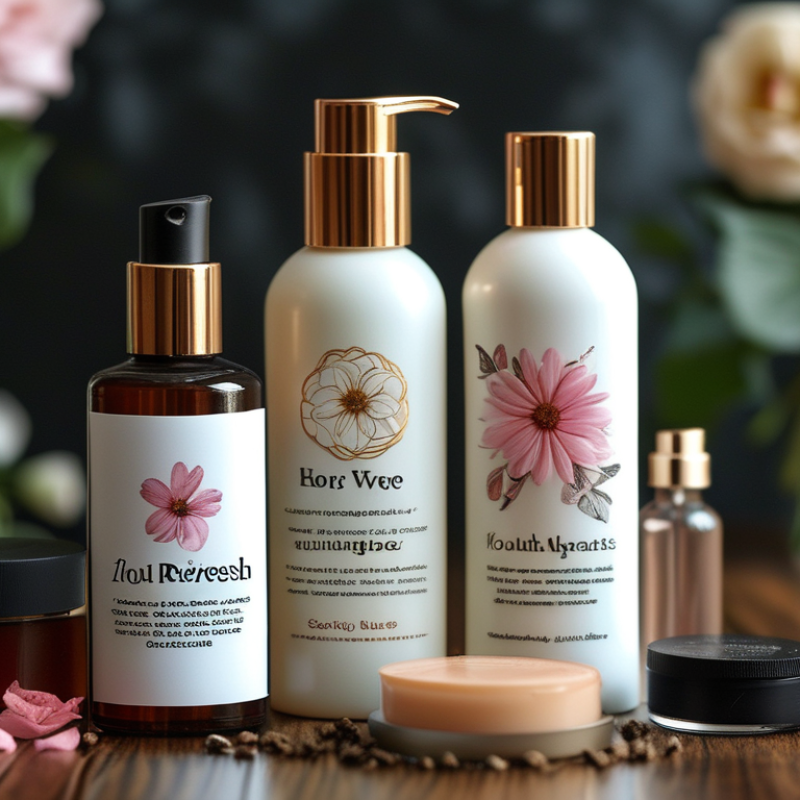
The private label skincare market is booming. As consumers seek unique products, brands can leverage this opportunity. Understanding customer needs is crucial. Research current trends and preferences in skincare. Determining what resonates with your target audience can provide a solid foundation.
Tip: Conduct surveys or focus groups. Gather feedback on product ingredients, packaging, and branding. This will help you create a product that stands out.
Navigating the landscape requires careful analysis. Identify established players and understand their strategies. Evaluate gaps in the market where your brand can fit.
Tip: Audit your competitors regularly. Learn from their successes and failures. Use this knowledge to refine your approach. Remember, what works for one brand may not work for another.
As you plan your launch, remain flexible. The market changes rapidly. Stay updated with emerging trends and consumer behavior. Adjust your strategies accordingly. This adaptability can enhance your brand's credibility.
Identifying your target audience and niche in the skincare industry is vital for a successful private label brand. According to a Statista report, the global skincare market is projected to reach $189.3 billion by 2025. Understanding your audience can help carve out a space in this competitive landscape.
To pinpoint your niche, conduct thorough market research. Look for gaps in the market. For example, sustainable and cruelty-free products have gained traction, especially among millennials. A survey by Nielsen indicates that 66% of consumers are willing to pay more for sustainable brands. This data suggests an opportunity for private label brands focusing on eco-friendly skincare.
Tips: Create customer personas to understand preferences. Utilize social media analytics to gauge interests and behaviors. Engaging with potential customers through surveys can yield invaluable insights.
Don’t shy away from potential pitfalls. Many new brands overestimate the appeal of trends without validating them. This can lead to inventory issues. It's essential to test your products and gather genuine feedback before full-scale launch. Adapting to consumer needs is not just smart; it’s essential.
Creating unique formulas is a critical step in launching a private label skincare brand. Start by researching trending ingredients. Look at what is popular but also consider less common components. Explore natural and organic options. This approach helps you differentiate from competitors.
Experimentation is vital. Test several product formulations to find the perfect balance. Think about textures and scents that appeal to your target audience. Document each trial closely. This will help you refine your offerings. Always seek feedback from potential users. Their input is essential for improvement.
Formulating products isn’t always a straightforward process. There will be challenges and setbacks. Not every formula will meet expectations, but reflection is key. Analyze what works and what doesn’t. This cycle of creation and evaluation will lead to better products that resonate with customers. By focusing on quality and innovation, you can create a brand that stands out.
Creating a strong brand identity is crucial for any private label skincare brand. Consumers connect with products that resonate with their values. According to a recent report, 77% of consumers make purchases based on brand identity. This means effective branding can significantly influence your brand’s success.
Packaging design plays a vital role in attracting customers. Research shows that 72% of consumers say packaging design influences their buying decisions. Your packaging should reflect your brand ethos while being functional and eco-friendly. Consider colors, shapes, and materials that align with your target audience's preferences. It's essential to remain authentic, as over-polished packaging may come across as disingenuous.
Launching a skincare brand does not come without challenges. Flawed design choices can lead to inconsistency in brand identity. Regularly seek feedback to refine your approach. Mistakes can provide valuable lessons. Skincare ingredients should be simple but effective. Consumers are increasingly cautious about complex formulations. Streamlining your offerings while staying true to your brand message can create a more loyal customer base. Reflect on your design strategy and be open to change as market trends evolve.
This chart illustrates the sales growth of private label skincare brands over the past four years, demonstrating a steady increase and highlight potential market opportunities.
Establishing effective distribution channels is crucial for a private label skincare brand. Start by identifying your target market. Consider both online and offline avenues. Partnering with e-commerce platforms can increase your reach. Explore local boutiques or salons for potential shelf space. Building strong relationships with distributors is key. Your brand's visibility greatly influences sales.
Marketing strategies should resonate with your audience. Create content that educates customers about skincare benefits. Social media platforms are invaluable for engagement. Share compelling visuals and testimonials. Influencer partnerships can enhance credibility, but choose wisely; not every influencer aligns with your values. Experiment with promotions to gauge customer response.
Be prepared for challenges. Not every strategy will yield immediate results. Collect data and be open to adjustments. Customer feedback is gold. Use it to refine your approach. Reliability in product quality will build trust, but maintaining it requires consistent effort. Remember, it's a journey rather than a sprint.
| Dimension | Details |
|---|---|
| Target Market | Millennials and Gen Z consumers interested in clean beauty |
| Product Type | Moisturizers, serums, and facial masks |
| Distribution Channels | E-commerce platforms, specialty beauty stores, and subscription boxes |
| Marketing Strategy | Social media advertising, influencer partnerships, and content marketing |
| Brand Positioning | Affordable luxury with a focus on sustainability |
| Customer Engagement | Interactive online events and skincare consultations |
| Regulatory Compliance | Ensure all products meet local and international skincare regulations |
: Research trending and unique ingredients to create distinctive formulas.
Experimenting helps find the right balance of textures and scents appealing to customers.
Always seek and document feedback. It is essential for product improvement.
No, not every formula will meet expectations. Reflection on failures is crucial.
Identify target markets and partner with both online and offline platforms.
Create educational content and utilize social media for engagement and visibility.
Yes, not every influencer aligns with your brand values, so choose wisely.
Not every strategy will yield immediate results; adjustments may be necessary.
It is invaluable for refining strategies and enhancing product offerings.
No, maintaining product quality and reliability takes consistent effort over time.
Starting a private label skincare brand involves several crucial steps to ensure success in a competitive market. First, it’s essential to understand the private label skincare market landscape, including current trends and consumer preferences. Next, identifying your target audience and niche allows you to tailor your products to meet specific needs, creating a unique selling proposition.
Developing unique formulas and product offerings is vital for standing out, while designing a compelling brand identity and packaging can significantly influence customer perceptions. Finally, establishing effective distribution channels and marketing strategies will help you reach your audience effectively. By mastering these steps, you’ll have a clearer roadmap on how to start a private label skincare brand that resonates with customers and drives business growth.
Kushkie Beauty