2026 Top Skincare Markets Why Regulations Vary by Country?

Time:2026-09-20 Author:Charlotte
0%

The global skincare market is entering a more regulated and sophisticated era in 2026. Consumers now expect visible results, safer formulas, transparent labels, and responsible environmental claims. Yet a vitamin C serum, retinol cream, or sunscreen may face different requirements in Seoul, Paris, New York, or Dubai. The formula may stay similar. The legal pathway does not.

So, why do skincare regulations vary by country? The answer begins with different safety philosophies, product classifications, testing standards, and consumer protection priorities. One country may treat a product as a cosmetic, while another may classify it as a therapeutic product because of its claims. That difference can affect ingredient limits, clinical evidence, packaging language, advertising, and market approval. A small phrase such as “reduces inflammation” may create major regulatory concerns.

This article examines the 2026 top skincare markets through a practical and evidence-aware lens. It considers regional differences across Asia-Pacific, Europe, North America, and emerging markets. Real packaging details matter, including ingredient names, batch numbers, warnings, and responsible-use instructions. Regulatory specialists, manufacturers, and consumers often interpret the same label differently. That gap deserves attention.

Regulations protect people.

However, compliance is not always simple or perfectly consistent. Rules change, guidance can be unclear, and scientific evidence continues to develop. Some claims remain difficult to measure in everyday use. This discussion therefore avoids absolute conclusions and recognises the limits of comparing countries directly. Understanding these differences helps brands plan responsibly and helps consumers make more informed skincare choices.
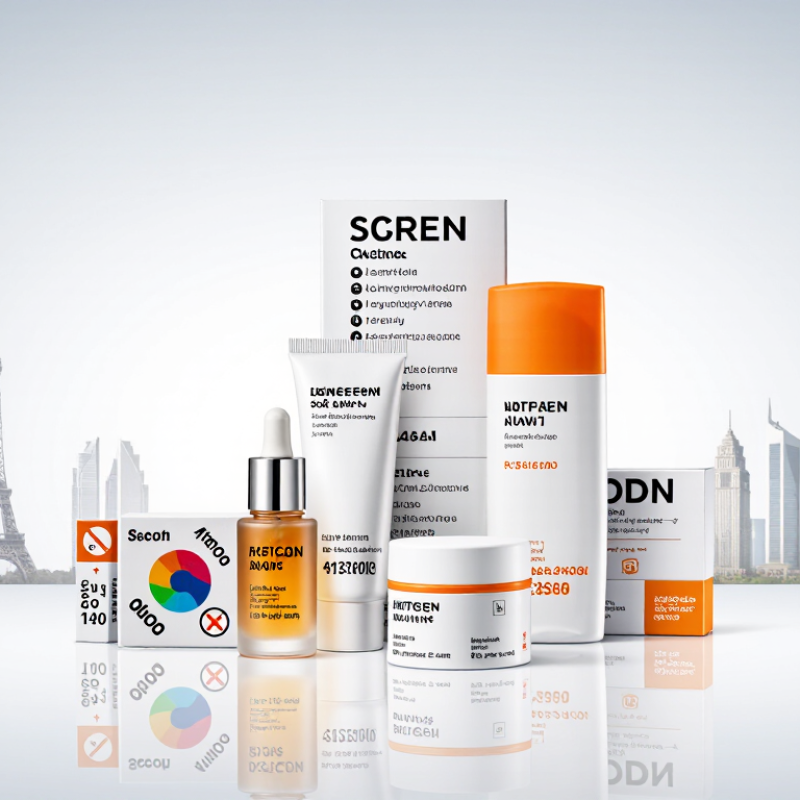
2026 Top Skincare Markets Why Regulations Vary by Country?

Global Skincare Market Trends in 2026

In 2026, skincare is moving toward prevention, personalization, and simpler routines. Consumers are watching skin barriers, sun exposure, and ingredient transparency more closely. Barrier-focused products often feature ceramides, gentle cleansers, and fragrance-free formulas. Less can work. Digital skin analysis is also expanding through mobile tools and in-store devices. However, these tools can support decisions, not replace professional assessment.

Global skincare growth does not create one global rulebook. A product may be treated as a cosmetic in one country and require stricter review elsewhere. Authorities increasingly examine ingredient safety, sunscreen claims, preservatives, labeling, and online advertising. Small wording matters. Claims such as “repairs” or “clinically proven” need credible evidence and suitable testing. Responsible companies should keep safety records, use clear ingredient lists, and adapt packaging for each market.

Climate and lifestyle are shaping demand as well. Hot, humid regions often prefer lightweight textures, while colder areas need richer moisture support. Refill packaging and concentrated formulas are gaining attention, although recycling systems remain uneven. The trend is promising, but not perfect. Digital recommendations may misread sensitive or darker skin tones. Sustainability claims can also sound stronger than the available evidence. In 2026, careful consumers will compare local requirements, product instructions, and professional guidance before trusting fast-moving skincare trends.

2026 Top Skincare Markets: Why Regulations Vary by Country?

Sunscreen illustrates how skincare regulation differs across major markets. The chart compares the legal classification commonly applied to sunscreen products and UV-protection claims: 1 = cosmetic, 2 = functional or quasi-drug category, and 3 = non-prescription drug category. Classification affects product claims, testing, registration, labeling, and market-entry procedures.

Regulatory reference framework: European Union Cosmetics Regulation, United Kingdom cosmetics rules, U.S. FDA sunscreen requirements, China Cosmetics Supervision and Administration Regulation, Japan PMD Act, and South Korea functional cosmetics regulations. Specific requirements may vary by formulation, claims, and product type.

How Skincare Products Are Classified by National Regulators

2026 Top Skincare Markets: Why Regulations Vary by Country?

Skincare regulation begins with classification, not packaging. Each authority asks what a product does, where it is used, and what it claims. In the European Union, Regulation (EC) No 1223/2009 generally treats cleansing, protecting, and moisturizing products as cosmetics. However, therapeutic claims may place a formula outside that category. Claims matter.

The United States separates cosmetics from drugs under the FD&C Act. Sunscreens often fall under drug requirements there. China’s NMPA framework distinguishes ordinary and special cosmetics, including many sun-protection products. Japan uses a separate quasi-drug category for approved functional claims. These are not minor labels. Classification changes testing, evidence, registration, labeling, and post-market duties. A beach icon beside an SPF claim can create regulatory consequences.

Market growth increases this pressure. Grand View Research’s 2024 report valued the global skincare market at approximately USD 155.7 billion in 2023. It projects continued growth through 2030. McKinsey’s 2023 beauty report also identified skincare as a major global beauty segment, supported by sustained consumer demand. Yet market data cannot replace legal review. A product may be cosmetic in one country and therapeutic elsewhere. That difference can delay launch timing by months. Regulatory teams should map every claim to local definitions before approving final artwork. Even experienced teams can miss borderline wording. A second reading is wise.

Why Cosmetic Regulations Differ Across Countries

Cosmetic regulations differ across countries because each authority defines product risk differently. A moisturizer may be treated as a cosmetic in one market. It may face stricter rules when claiming to treat acne. This difference affects ingredients, evidence, packaging, and advertising. Regulators also consider local exposure patterns, climate, population needs, and public health history. Small details matter. A poorly translated label can create a compliance problem.

In practical compliance reviews, teams compare ingredient restrictions, colorant rules, preservative limits, and notification duties before launch. They check whether safety data covers the intended use, such as a leave-on cream applied near the eyes. Some jurisdictions require a responsible local entity. Others emphasize product registration or factory documentation. Authorities may request stability reports, microbial testing, and evidence supporting claims. Requirements can change, so current government guidance is more reliable than an old checklist.

The hardest issue is that “natural” does not mean universally accepted. A plant extract can vary by solvent, concentration, contamination risk, and manufacturing method. One missing allergen statement may matter more than attractive packaging. Compliance is not purely technical; reviewer interpretation can differ. That uncertainty deserves honest planning. Companies should keep version-controlled records, trace raw materials, and review labels with qualified local specialists. Mistakes still happen. Clearer products need more than good intentions.

Key Compliance Requirements for International Skincare Brands

International skincare compliance begins with a country-by-country product review. A formula accepted in one market may need new evidence elsewhere. Regulators may classify the same cream as a cosmetic, therapeutic product, or borderline item. That classification changes the required pathway.

A practical compliance file should include the full ingredient list, product specifications, stability data, and a documented safety assessment. Packaging usually needs local language, responsible-party details, net quantity, batch identification, and usage precautions. Claims require special care. “Hydrates dry skin” may need testing, while “repairs damaged tissue” could trigger stricter oversight. Keep evidence close to the claim. Marketing teams often overlook this connection.

Requirements also differ after launch. Some markets require product notification before sale. Others expect registration, local representation, or additional technical documents. Businesses should monitor adverse reactions, retain complaint records, and control formula changes through written procedures. Manufacturing partners should follow recognized cosmetic GMP practices, with batch records available for inspection. No checklist is perfect. A spreadsheet can miss a translation error on a small carton panel. It can also hide an ingredient restriction introduced after approval. Periodic legal reviews, supplier audits, and sample label checks reduce these gaps, but they do not remove judgment. International teams should document uncertain decisions instead of quietly assuming that one market’s approval travels everywhere.

How Regulatory Differences Shape Consumer Safety and Market Access

In 2026, skincare access depends heavily on local regulatory expectations. A formula accepted in one country may require new safety evidence elsewhere. Some authorities focus on ingredient restrictions, while others examine product claims and manufacturing controls. This difference directly affects consumer safety and launch schedules.

A careful compliance review should check the full ingredient list, usage levels, packaging language, and safety assessment. Claims such as “reduces redness” may need stronger evidence than “leaves skin feeling soft.” Regulators can also require product notification, responsible-party information, or market-specific documentation. Small details matter. A missing warning label can delay distribution or confuse users with sensitive skin. Independent testing, documented quality controls, and traceable production records improve reliability. They also help companies respond when an adverse reaction is reported.

Market access is not only a legal question. It is an operational challenge. Companies may need separate labels, product files, testing plans, and advertising reviews for each market. That raises costs, especially for smaller businesses. Yet faster entry should not replace careful evaluation. No framework is flawless. Standards can be unclear, and guidance may change after a product launches. I believe transparent records and conservative claims are safer than aggressive promises. Clear consumer instructions remain essential, particularly for products used around the eyes or on damaged skin. Regulatory differences can feel inefficient, but they often reflect local risk priorities and consumer expectations.

FAQS

Why are skincare routines becoming simpler in 2026?

Consumers increasingly focus on prevention, skin barriers, sun exposure, and clear ingredients. Gentle cleansers, ceramides, and fragrance-free formulas support simpler routines. Less can work.

Can digital skin analysis replace professional advice?

No. Mobile tools and store devices can suggest options, but they may misread sensitive or darker skin tones. Professional assessment remains important.

Why do skincare rules differ between countries?

Authorities define product risks differently. A moisturizer may remain cosmetic, while acne-treatment claims can trigger stricter requirements. Local laws also affect ingredients, evidence, labels, and advertising.

What should companies check before launching skincare internationally?

Teams should compare ingredient restrictions, colorant rules, preservative limits, and notification duties. They may also need safety data, stability reports, microbial testing, or a local responsible entity.

Are “natural” ingredients automatically accepted everywhere?

No. Plant extracts vary by solvent, concentration, contamination risk, and manufacturing method. Natural does not guarantee universal acceptance.

Why do packaging and wording matter so much?

Claims such as “repairs” or “clinically proven” need credible evidence and suitable testing. Poor translation, missing allergen information, or unclear instructions can create compliance problems. Small wording matters.

How does climate influence skincare preferences?

Hot, humid regions often favor lightweight textures. Colder areas usually need richer moisture support. Product instructions should still guide use.

Are refill packages and concentrated formulas always sustainable?

Not always. Recycling systems remain uneven, and sustainability claims can exceed available evidence. The trend is promising, but imperfect.

What records help support responsible skincare compliance?

Companies should keep version-controlled records and trace raw materials. Qualified local specialists should review labels and claims. Mistakes still happen.

Conclusion

The 2026 skincare market is expected to be shaped by rising consumer interest in ingredient transparency, product safety, sustainability, and personalized routines. As international demand grows, skincare products may be classified differently by national regulators—as cosmetics, personal care products, or products requiring additional oversight—depending on their ingredients, intended claims, and method of use. This classification affects testing, labeling, documentation, advertising, and market entry procedures.

A central question for global businesses is: why do skincare regulations vary by country? Differences arise from each country’s legal framework, safety standards, cultural expectations, enforcement systems, and interpretation of product claims. International skincare brands must therefore review ingredient restrictions, safety assessments, packaging language, registration processes, manufacturing standards, and post-market responsibilities in every target market. These regulatory differences can increase compliance costs and extend launch timelines, but they also help protect consumers by promoting accurate information, product quality, and responsible use while determining how easily products can enter and compete in different markets.

Charlotte

Charlotte

Charlotte is a seasoned marketing professional with a deep understanding of the company's portfolio and a passion for elevating its presence in the market. With a keen eye for detail and a commitment to excellence, she ensures that our professional blog is regularly updated with insightful articles......