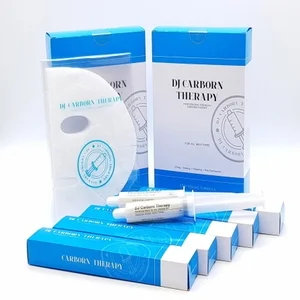
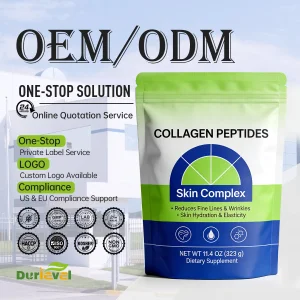
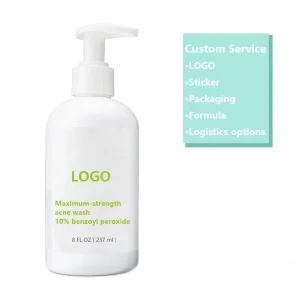
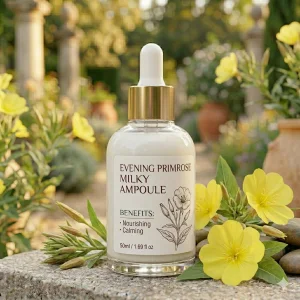
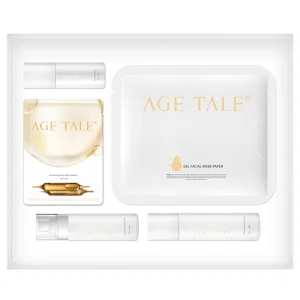
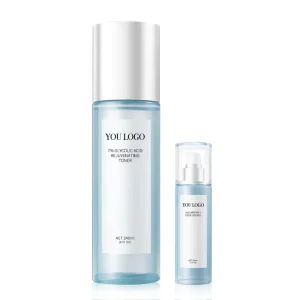
Explore our high-performance formulations developed for advanced skin rejuvenation, hydration, and targeted melanin pathway management.
Analyzing market drivers, dermatological trends, and regulatory changes in the hyperpigmentation treatment market.
The global market for dermal brightening agents has transitioned from a superficial, cosmetic-focused sector into a rigorous, scientifically driven segment of clinical dermatology. Driven by consumer demands for clinical efficacy and clear transparency, global brand owners are shifting away from generic formulations. The target market now centers on mitigating hyperpigmentation, uneven skin tones, post-inflammatory hyperpigmentation (PIH), and UV-induced solar lentigines. Modern clinical solutions require active biological pathways that yield measurable results while preserving the integrity of the skin's natural barrier.
From an industrial perspective, raw material sourcing and stabilization processes dominate formulation economics. Systemic changes in global cosmetic regulations—such as the modernization of cosmetics regulation acts in major economies—demand comprehensive safety validation dossier compilation. Manufacturers must execute safety assays, ensure raw material tracing, and present rigorous evidence of clinical testing before exporting to lucrative markets like North America, Europe, and the APAC region.
High demand for targeted biological pathways that avoid cellular toxicity and preserve the skin barrier.
Stricter standards regarding hydroquinone limits, safety dossiers, and clinical efficacy testing.
Advanced emulsification and automated packaging facilities designed to optimize unit costs.
Eco-friendly extraction techniques and bio-fermented materials replacing synthetic chemical agents.
Understanding the biological mechanisms of melanogenesis and advanced carrier systems.
The core mechanism of skin brightening focuses on regulating tyrosinase, the rate-limiting enzyme in melanin production. Standard active ingredients include Hydroquinone replacements like Alpha Arbutin, Phenylethyl Resorcinol (SymWhite 377), and stabilized L-Ascorbic Acid derivatives. These compounds competitive-inhibit tyrosinase activity inside melanosomes, preventing the oxidation of L-DOPA into dopaquinone.
Once melanin is synthesized, it must be transferred via dendrites from melanocytes to surrounding keratinocytes. Modern formulations utilize Niacinamide (Vitamin B3) at clinical concentrations (2% to 5%) to block this transfer pathway. This dual-action mechanism prevents melanin accumulation in the stratum corneum without altering cellular viability, reducing post-inflammatory hyperpigmentation.
Accelerating cellular turnover is essential for clearing existing epidermal melanin. Chemical peeling agents like Glycolic Acid (AHA), encapsulated Salicylic Acid (BHA), and biological catalysts like Retinol or Bakuchiol stimulate epidermal proliferation. By shedding hyperpigmented corneocytes, these actives encourage the migration of newly synthesized, non-pigmented cells to the surface.
Technological Evolution: Liposomal & Micro-Encapsulation Delivery Systems
Direct topical application of raw brightening agents often results in rapid oxidation and poor dermal penetration. Our technical roadmap incorporates phospholipid liposomal coatings, which protect active molecules (such as Glutathione and Ascorbic Acid) from UV and thermal oxidation. This ensures targeted release into the deeper epidermal layers for enhanced bioavailability and reduced skin irritation.
Adapting product formulations to different environmental conditions, regulatory frameworks, and skin types.
Focus: Glass Skin, Radical Radiance, Spot Reduction
Consumers prioritize even skin tone, dewiness, and spot elimination. Formulations must exclude sensitizing agents and incorporate gentle botanicals, Centella Asiatica, and Fermented Actives to protect sensitive Asian skin phototypes (Fitzpatrick Type III-IV) prone to hyperpigmentation.
Focus: Anti-Aging Synergy, Dark Spot Corrections
Clean Beauty guidelines and clinical ingredient transparency dominate these markets. Products combine skin-brightening agents with anti-aging peptides (e.g., Palmitoyl Tripeptide-5), Glycolic Acid, and Hyaluronic Acid to deliver multi-functional, dermatologist-tested, and cruelty-free benefits.
Focus: UV Damage Repair, PIH Post-Acne Treatment
High UV indices call for robust antioxidant protection. Formulations feature UV-stable brighteners like Niacinamide, Vitamin C, and Tranexamic Acid. These products must maintain stability in high-temperature logistics corridors while actively treating post-inflammatory hyperpigmentation.
Guangzhou Kushkie Beauty Co., Ltd.: Your reliable OEM/ODM partner for premium clinical formulations.
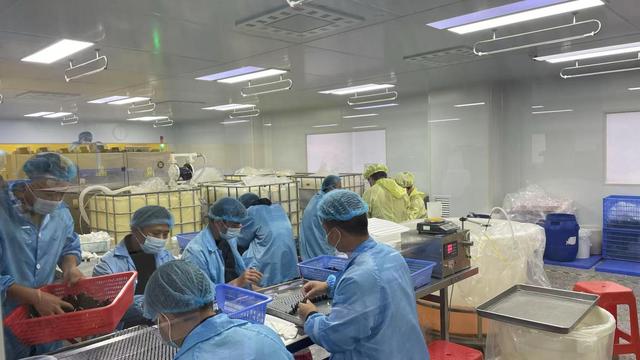
Established in 2013, Guangzhou Kushkie Beauty Co., Ltd. is a professional skincare and cosmetic manufacturer specializing in the development, production, and customization of beauty and personal care products. Located in Guangzhou, Guangdong Province, China, the company operates a modern manufacturing facility covering over 12,000 square meters and employs more than 250 professionals across research and development, production, quality assurance, packaging, and international business departments.
Kushkie Beauty focuses on providing comprehensive OEM and ODM solutions for global beauty brands, distributors, retailers, e-commerce sellers, and private-label companies. Its product portfolio includes facial skincare products, body care solutions, beauty cosmetics, personal care formulations, botanical skincare products, clean beauty solutions, and customized cosmetic developments designed to meet diverse market demands.
Supported by an experienced R&D team, the company continuously develops innovative formulations based on market trends, consumer preferences, and evolving industry requirements. Flexible customization services include formula development, ingredient selection, fragrance customization, packaging design, brand labeling, and full private-label manufacturing support.
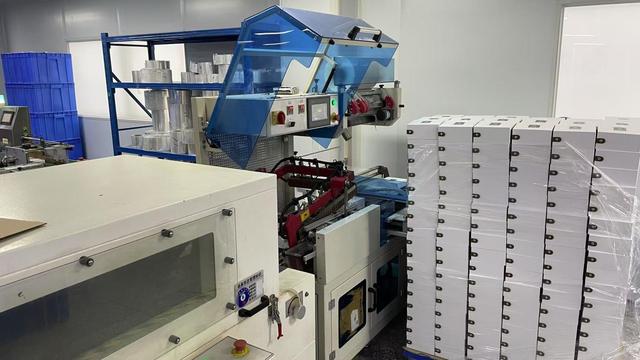
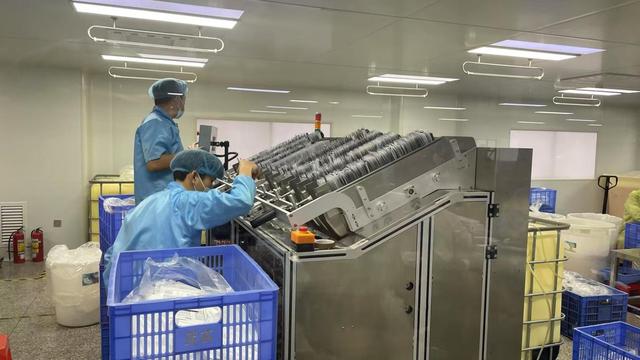
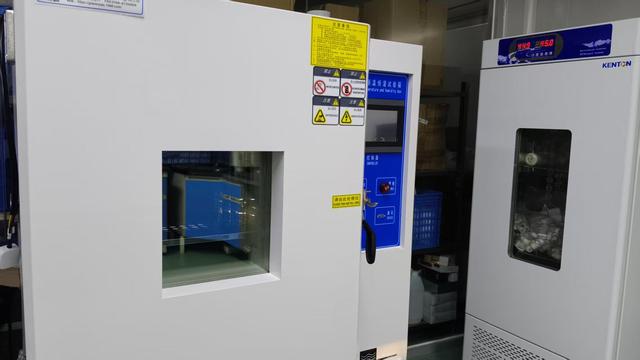
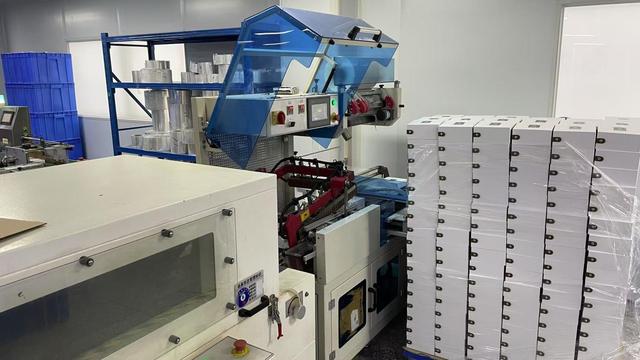
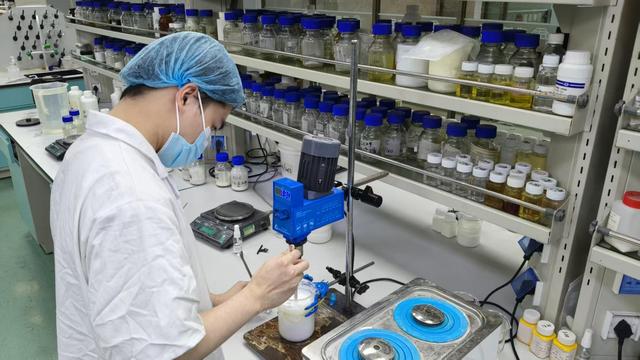
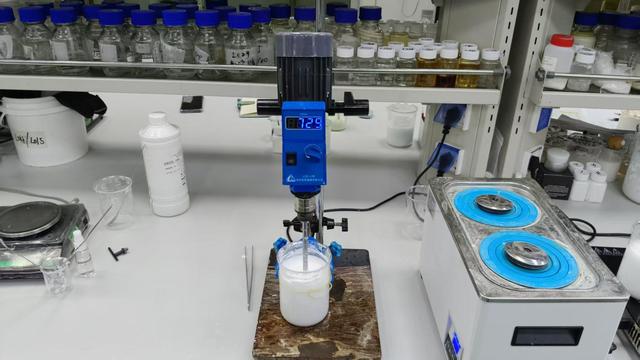
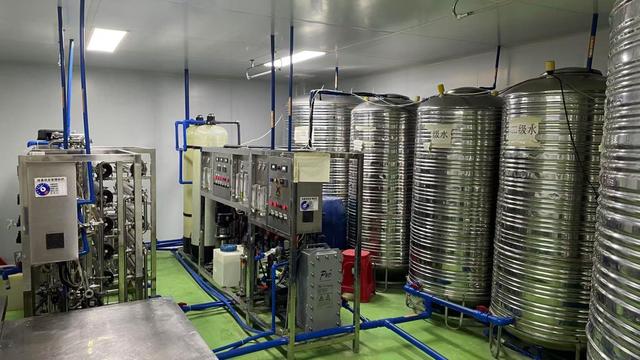
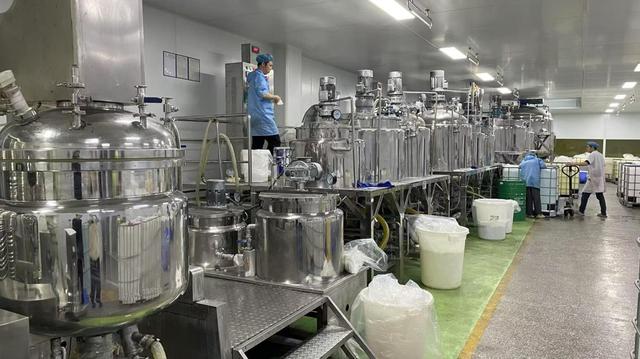
The company maintains advanced production workshops equipped with automated filling lines, emulsification systems, purification facilities, and laboratory testing equipment. By implementing strict quality control procedures throughout raw material sourcing, formulation development, production, packaging, and final inspection, Kushkie Beauty strives to ensure product consistency, safety, and regulatory compliance.
Serving customers across North America, Europe, the Middle East, Southeast Asia, and other international markets, Kushkie Beauty has established long-term partnerships with beauty brands seeking reliable manufacturing capabilities and scalable production solutions.
Through ongoing investment in product innovation, sustainable manufacturing practices, and operational efficiency, Guangzhou Kushkie Beauty Co., Ltd. remains committed to delivering high-quality skincare and cosmetic manufacturing services while supporting the growth and success of beauty brands worldwide.

End-to-end support from molecular stability validation to brand-specific customization.
Our lab designs custom emulsion profiles, stabilizing active compounds like Vitamin C, Niacinamide, and Alpha Arbutin against environmental degradation. We resolve discoloration and odor issues common to botanical and high-concentration brighteners. This provides brand owners with shelf-stable, retail-ready products that perform consistently from manufacturing to the end consumer.
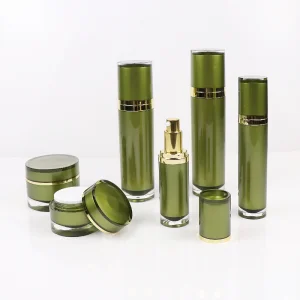
Consistent with current environmental trends, we provide eco-friendly packaging options. Glass packaging, PCR (Post-Consumer Recycled) plastics, and airless pump bottles protect sensitive formulas from oxidation while meeting consumer demand for sustainable packaging. This supports brand positioning and helps minimize the environmental footprint.
Addressing common formulation challenges, stability concerns, and active ingredient performance.
L-Ascorbic Acid is highly susceptible to heat and light-induced oxidation. To address this, we formulate with stable Vitamin C derivatives, including Sodium Ascorbyl Phosphate (SAP), Magnesium Ascorbyl Phosphate (MAP), and 3-O-Ethyl Ascorbic Acid. Additionally, we utilize liposomal encapsulation and adjust formulation pH to ensure maximum active stability and skin penetration.
Hydroquinone is banned or heavily restricted in many jurisdictions due to risks of exogenous ochronosis and cellular cytotoxicity. Alpha Arbutin acts as a functional analog, providing similar tyrosinase inhibition by releasing hydroquinone slowly through glucoside cleavage. This delivers effective brightening with a much higher safety profile for daily use.
Yes, but this requires precise formulation design. Tranexamic Acid is an effective plasmin inhibitor that prevents UV-induced melanogenesis, and it works best at a neutral pH (around 5.5 to 6.5). If combined with low-pH AHAs (like Glycolic or Lactic Acid), the active ingredients must either be structured in a multi-step routine or stabilized with buffers to prevent skin irritation and raw material degradation.
We compile full Product Information Files (PIF) and Safety Assessments (COA, MSDS). We follow GMPC guidelines, verify raw materials, and perform challenge tests to ensure all formulations meet FDA, EU Cosmetic Regulation, and local standards for import and distribution.
The timeline varies based on customization level. Adapting a benchmark formula takes 2 to 3 weeks. Developing a custom active compound matrix with stability, compatibility, and safety testing requires 4 to 8 weeks. This process ensures the product meets safety standards and is ready for manufacturing.
Explore our specialized solutions, active serums, skin treatments, and customized packaging options.
 Kushkie Beauty