Explore high-efficacy private label formulations engineered for target skincare solutions

Historically utilized for simple topical soothing, Aloe Vera (Aloe barbadensis miller) has evolved into a cornerstone of advanced botanical skincare science. Modern B2B buyers no longer view Aloe Vera as a mere baseline ingredient. Instead, the industry has shifted toward bio-active optimization—isolating targeted polysaccharides, such as Acemannan, and utilizing high-tech stabilization processes to maintain enzymatic activity.
Leading manufacturers employ proprietary low-temperature extraction techniques. Standard processing using extreme heat often degrades the delicate mucilage structure of the inner leaf gel, rendering vital glycoproteins, amino acids, and sterols ineffective. By contrast, current state-of-the-art formulations integrate Aloe Vera through cold-processed dehydration and stabilization, preserving up to 98% of its natural biological activity. This structural integrity is paramount when engineering formulations targeted at skin barrier repair, post-treatment recovery, and chronic inflammatory relief.
Replacing standard purified water with pure Aloe leaf juice as the primary vehicle to intensify formulation density, enhance penetration, and increase total value proposition.
Co-formulating stabilized Aloe gel with clinical-grade actives like Centella Asiatica, Peptides, and Hyaluronic Acid to trigger targeted dermal cellular renewal.
Utilizing natural proteolytic enzymes found in raw Aloe (such as alprogen) to offer gentle, non-irritating desquamation ideal for highly sensitive skin barriers.
In the global B2B cosmetics landscape, procurement directors face stringent demands for compliance, safety, and supply chain transparency. Consumer trends like "Clean Beauty" and "Clinical Naturals" have ceased to be optional marketing terms; they are now baseline expectations enforced by international regulations such as the European Green Deal, EU Cosmetics Regulation (EC) No 1223/2009, and the U.S. FDA Modernization of Cosmetics Regulation Act (MoCRA).
For global supply chains, raw material traceabilty is highly prioritized. Companies seek manufacturing partners capable of delivering verified organic certifications (such as USDA Organic or ECOCERT) along with comprehensive technical document packages. These packages must include Certificate of Analysis (COA), Material Safety Data Sheet (MSDS), Gas Chromatography-Mass Spectrometry (GC-MS) profiles, and heavy metal testing reports. A robust supply pipeline guarantees that the raw Aloe Vera is free from aloin—the naturally occurring anthraquinone compound that is highly restricted in cosmetic applications due to its potential phototoxicity and skin irritation risks.
| Active Raw Aloe Format | Extraction Method | Preservation Level | Ideal Formulations | B2B Sourcing Value |
|---|---|---|---|---|
| Freeze-Dried Powder 200:1 | Cryogenic Sublimation | Maximum (99% Retained) | Reconstitution, Serums, Powders | Low shipping weight, extended shelf-life stability |
| Decolorized Aloe Liquid (10:1) | Carbon Filtration & Pressing | Moderate-High | Toners, Haircare, Essences | Eliminates yellowing, maintains clear transparency |
| Cold-Pressed Fresh Gel (1:1) | Mechanical Filleting & Cold Press | Moderate (Short Shelf-life) | Soothing Gels, Creams, Lotions | Maximum consumer tactile appeal, direct skin cooling |
As brands navigate turbulent macroeconomic landscapes, China's cosmetics manufacturing ecosystem has evolved from high-volume production to Factory 4.0 intelligent manufacturing. This transformation integrates advanced industrial automation, high-speed emulsification processing, and real-time Quality Control (QC) analytics. The result is a highly resilient supply chain that significantly lowers lead times while keeping batches consistently uniform.
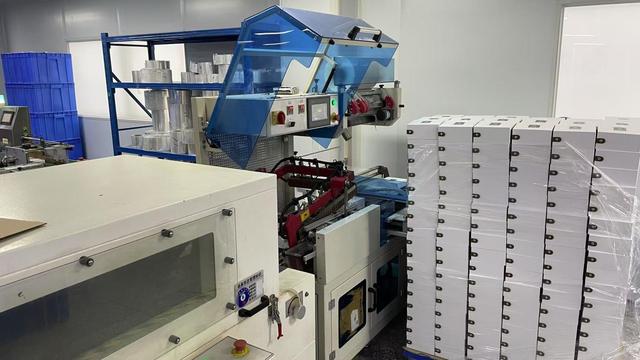
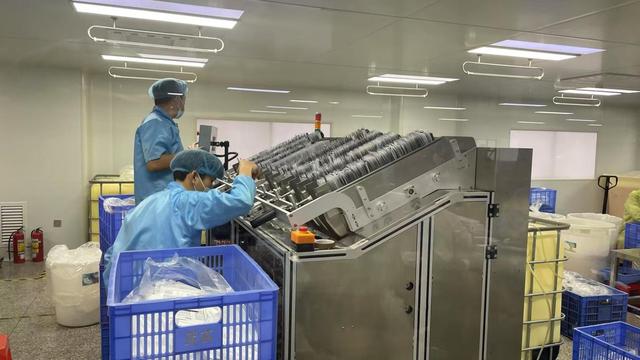
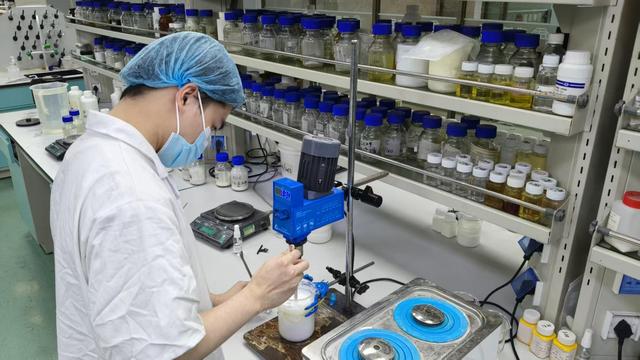
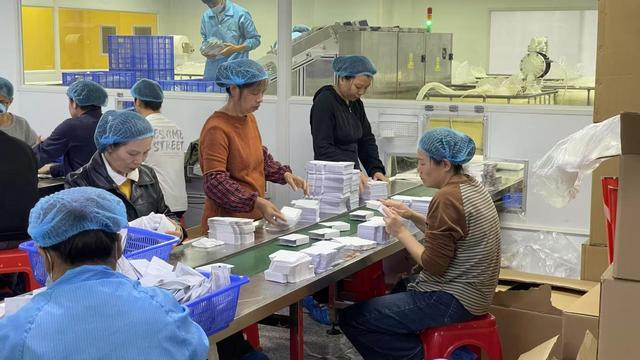
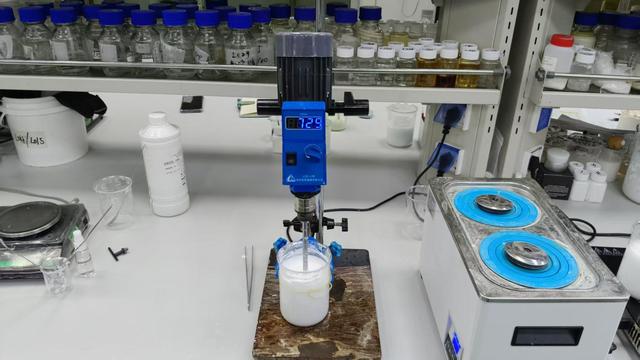
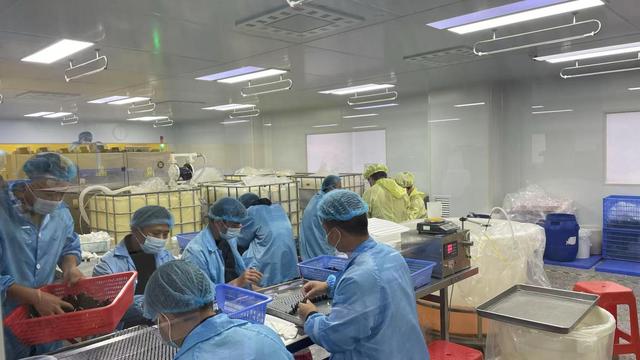
A prime example of this industrial capability is Guangzhou Kushkie Beauty Co., Ltd. Established in 2013, Kushkie Beauty has spent over a decade cultivating its position as a leading OEM/ODM skincare manufacturer. Strategically located in Guangzhou, Guangdong Province—the epicenter of China's beauty supply chain—the company operates a state-of-the-art manufacturing facility spanning more than 12,000 square meters.
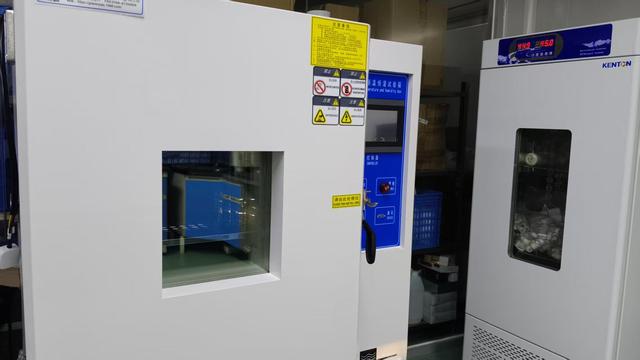
Kushkie Beauty employs over 250 highly skilled professionals across research and development, automated production, quality control, packaging design, and international logistics. The factory houses modern class-100,000 cleanrooms and advanced production workshops outfitted with automatic filling systems, state-of-the-art vacuum emulsifiers, and reverse-osmosis water purification systems. This technology ensures the manufacturing process remains sterile and compliant with international standards, including ISO 22716 and GMPC.
By leveraging its robust in-house R&D team, Kushkie Beauty assists international cosmetics brands, distributors, and e-commerce companies in formulating advanced botanical products. Their extensive catalog includes customized facial care, body care, and cosmetic products utilizing natural ingredients like premium Aloe Vera, Hyaluronic Acid, and Peptides. With flexible OEM/ODM options, the company provides end-to-end support, covering formulation design, custom packaging selection, regulatory compliance testing, and global logistics handling.
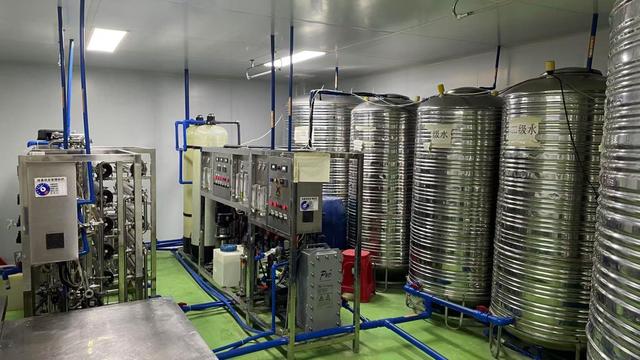
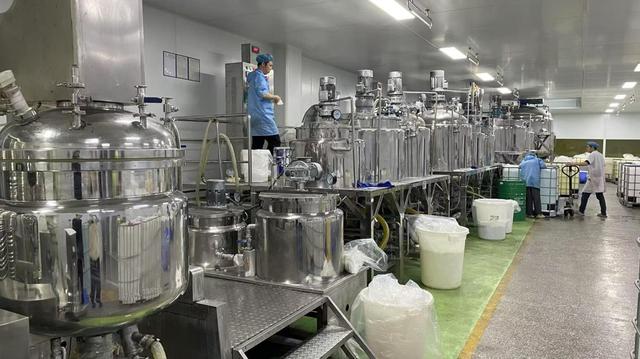
Formulation strategies must match localized climate characteristics, consumer habits, and demographic profiles. A singular formulation cannot effectively serve a globally diverse customer base. Manufacturers must fine-tune textures, viscosity, absorption speeds, and active concentrations to align with regional consumer expectations.
Scenario: Daily high heat and UV exposure lead to excessive sebum production and post-sun inflammation.
Formulation Strategy: Lightweight, oil-free cooling gels featuring highly refined decolorized Aloe Vera combined with Niacinamide (B3) to balance sebum secretion. Focus on quick absorption without tacky residues.
Scenario: Intense dry heat and high wind exposure trigger elevated Transepidermal Water Loss (TEWL) and barrier disruption.
Formulation Strategy: Deeply hydrating emulsified creams blending raw Aloe juice bases with Shea Butter and Ceramides to create a persistent moisture-locking shield on the stratum corneum.
Scenario: Skin barrier recovery following laser treatment, chemical peels, or microneedling requires sterile, soothing, and regenerative support.
Formulation Strategy: Ultra-clean formulas using high-potency Aloe Acemannan, Centella Asiatica, and Beta-Glucans, void of fragrances, essential oils, and synthetic colorants.
Professional insights for procurement managers, brand founders, and quality controllers
Explore packaging innovations, serums, and clinical-grade botanical concentrates
 Kushkie Beauty