Explore our primary selection of customizable skin treatment formulas, eco-conscious packaging, and active botanical ingredients ready for global distribution.
The structural shift in chemical synthesis, bio-fermentation, and mechanical exfoliating treatments for clinical and retail use.
The global exfoliation treatment market is undergoing a significant transition. B2B sourcing requirements are moving away from traditional coarse abrasives toward targeted bio-enzymatic agents and chemical peeling agents. Consumers demand high-efficacy ingredients that stimulate cell turnover without compromising the dermal barrier.
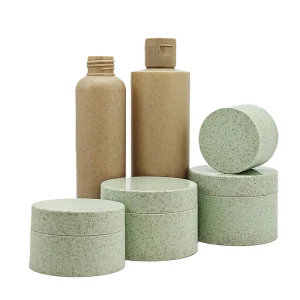
Environmentally conscious formulations are no longer optional. Exporters must comply with microplastic bans in North America and the European Union, which has accelerated research into biodegradable mechanical alternatives like wheat straw composite packaging, silica particulates, and natural cellulose spheres.
Global regulatory harmonization demands clean raw materials. Navigating FDA’s MoCRA compliance, the EU Cosmetic Product Notification Portal (CPNP), and ISO certification systems is critical for exporters to guarantee frictionless customs clearance and supply stability.
A comparative overview of chemical pathways, enzymatic breakdown, and ecological mechanical alternatives for global research and development teams.
Modern cosmetic formulations require specific acid profiles depending on the target skin barrier and treatment goals:
When manufacturing bulk chemical peeling treatments, formulating chemists must control the pH values and free acid concentration. Lower pH ranges (3.0–3.8) maximize chemical activity but require specialized safety buffering to prevent chemical burns, while retail formulas require stabilizers like sodium citrate to protect consumer skin.
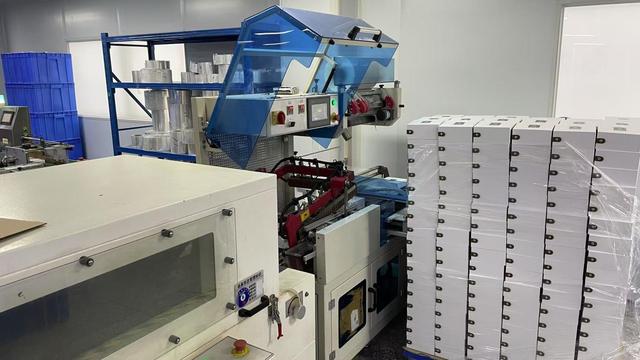
Established in 2013, our ISO 22716 and GMPC compliant facility leads the industry in OEM/ODM beauty and skincare solutions.
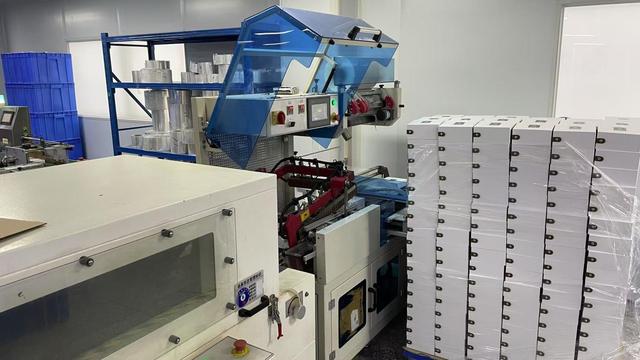
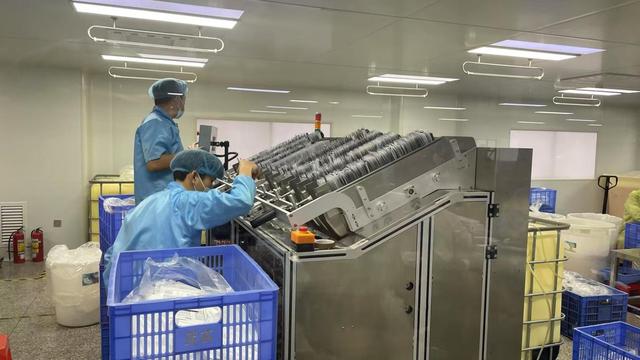
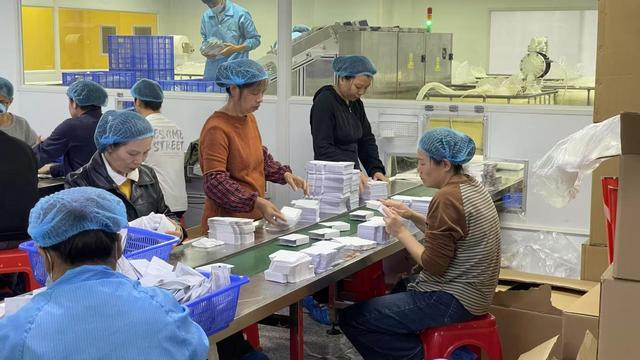
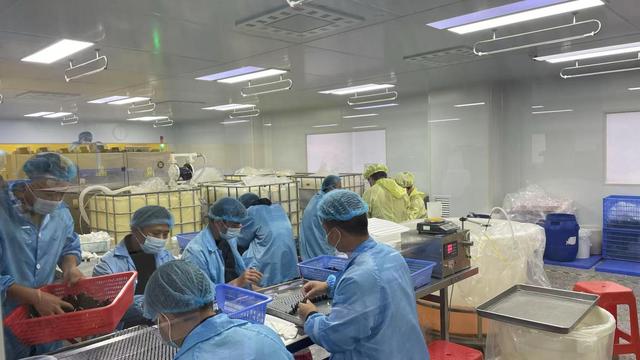
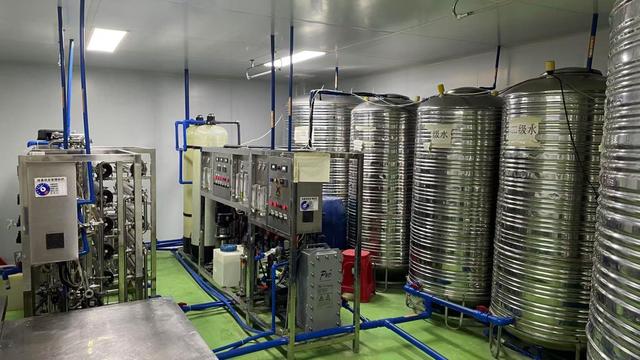
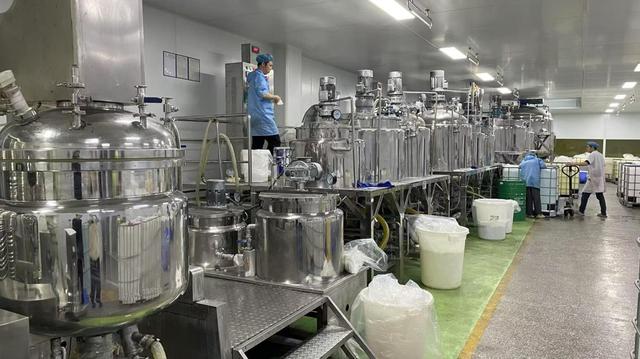
Located in the skincare manufacturing hub of Guangzhou, Guangdong Province, China, Guangzhou Kushkie Beauty Co., Ltd. operates a modern facility covering over 12,000 square meters. Guided by an experienced team of 250+ formulation, production, and quality assurance professionals, we partner with international beauty brands, distributors, and e-commerce retailers across North America, Europe, the Middle East, and Southeast Asia.
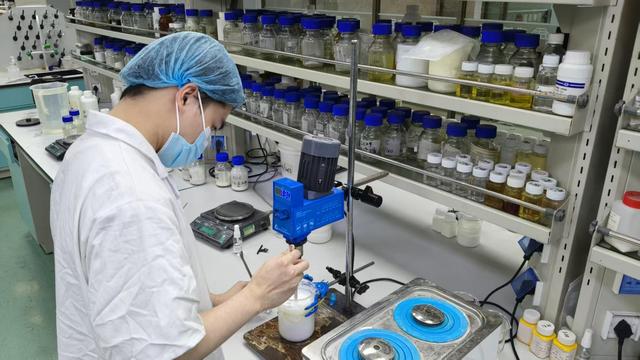
Our R&D team continuously develops stable, skin-barrier-safe exfoliating formulas, facial tonics, body polishes, and custom cosmetics. We offer comprehensive, flexible private label options, including customized botanical active profiling, fragrance blending, regulatory documentation support, and sustainable packaging.
Strategic insights for brand managers planning future product launches and technical portfolios.
Direct release technology prevents raw chemical acids from coming into contact with skin surface receptors all at once. By wrapping active chemicals inside phospholipid matrices, exfoliants penetrate deeper into target tissue structures before releasing their exfoliating agents, reducing surface micro-tears and redness.
Traditional peeling treatments can over-strip the skin's beneficial microflora, leading to compromised skin barrier function. The next generation of formulations combines prebiotics, probiotics, and mild fruit enzymes to promote natural desquamation while preserving essential skin bacteria.
Advanced lab-grown proteolytic enzymes offer reliable, uniform exfoliation without the batch-to-batch variation common in standard plant extracts. These bio-fermented ingredients can be customized to act within specific skin pH parameters, providing highly controlled formulations.
Navigating formulation guidelines, shipping stability, and chemical certifications across major international markets.
Sourcing cosmetics globally requires compliance with regional safety concentrations and labeling guidelines:
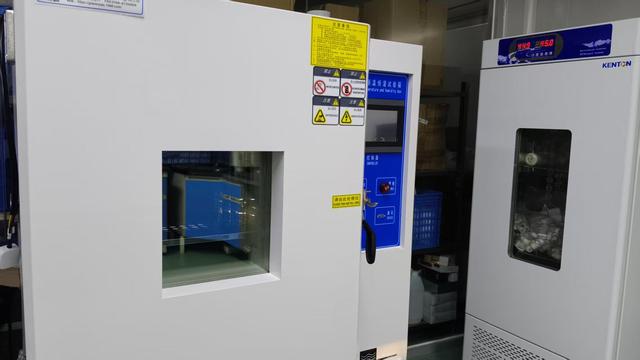
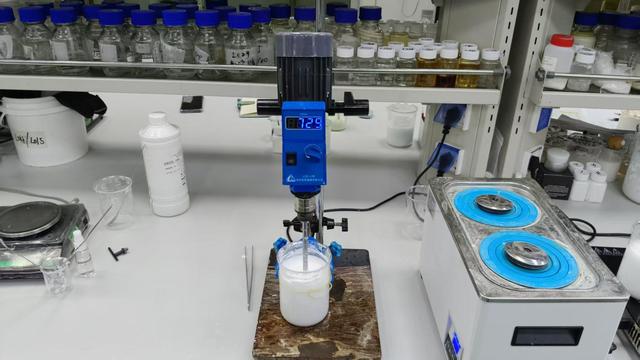
Before batch release, every formulation undergoes validation at our laboratory:
Technical answers to key product design, chemical safety, and global sourcing inquiries.
For custom private-label exfoliating products, the formulation and stability testing process takes 15–20 days. Once the formulation is approved, bulk manufacturing, packaging printing, and assembly are completed in 25–30 days, depending on materials and ingredient availability.
To prevent separation or oxidation under temperature changes, we use specialized buffering systems, including chelating agents and non-ionic surfactants. Our standard packaging uses light-resistant, high-barrier glass or HDPE containers to minimize UV degradation during transport.
We provide a complete technical documentation dossier. This includes a Material Safety Data Sheet (MSDS), Certificate of Analysis (COA), microbiological safety testing, heavy metal test reports, and challenge test data required for EU CPNP and FDA registration.
Yes. We formulate physical scrubs using biodegradable alternatives such as natural silica, bamboo powder, jojoba esters, and natural fruit seeds. These ingredients are compliant with environmental regulations in Europe, North America, and other major markets.
Guangzhou Kushkie Beauty Co., Ltd. operates under ISO 22716 and Good Manufacturing Practices (GMPC) certifications. Our manufacturing facility features cleanroom environments and automated processing systems to ensure consistent product quality.
Additional specialized cosmetics, packaging solutions, and custom formulas available for global volume procurement.
 Kushkie Beauty