In the highly competitive global beauty landscape, the demand for high-efficacy brightening skincare solutions has pivoted from surface-level cosmetics to highly targeted, bio-active formulations. Industrial procurement divisions and global brand managers require more than simple ingredients; they demand formulations grounded in clinical dermatological science. Skin brightening—specifically the mitigation of hyperpigmentation, melasma, and post-inflammatory erythema—targets the biochemical pathway of melanogenesis.
Traditional brightening methods historically relied on heavy peeling agents or aggressive bleaching components. Modern dermatology, however, prioritizes selective pathway disruption. Top-tier manufacturers focus on inhibiting the key enzyme, Tyrosinase, preventing melanosome transfer via PAR-2 receptor inhibitors like Niacinamide, and accelerating epidermal desquamation using non-irritating polyhydroxy acids (PHAs) and biological enzymes.
Guangzhou Kushkie Beauty Co., Ltd. has established itself at the forefront of this scientific shift. By integrating advanced raw material biotechnology with state-of-the-art manufacturing facilities, Kushkie meets the evolving criteria of international brand standards, providing compliant, stable, and bio-available formulations. This whitepaper analyzes B2B procurement strategies, advanced active technology roadmaps, regulatory framework structures, and the global manufacturing capabilities supporting the top tier of international cosmetic production.
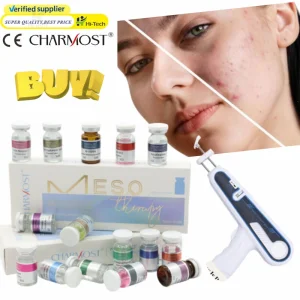
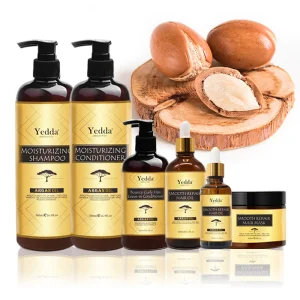
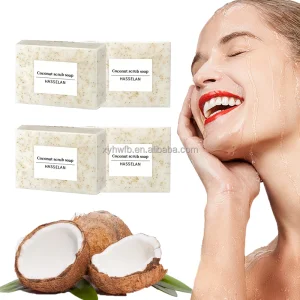
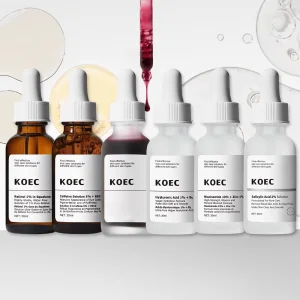
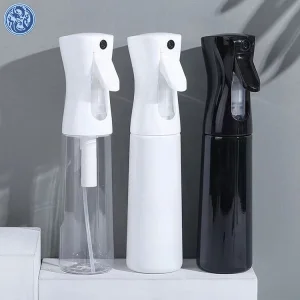
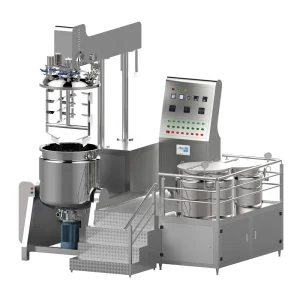
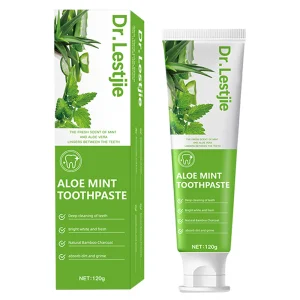
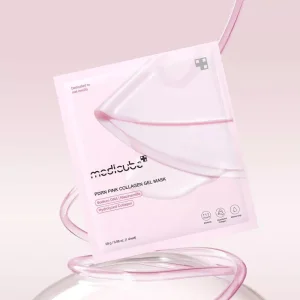
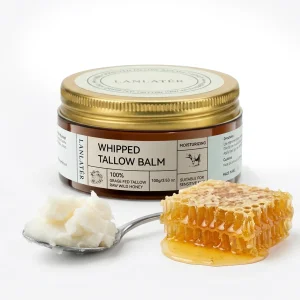
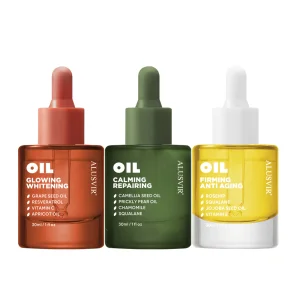
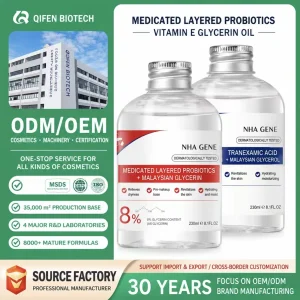
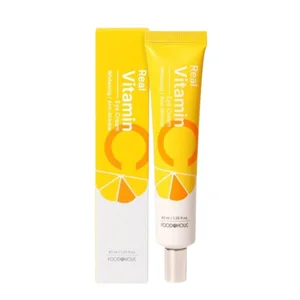
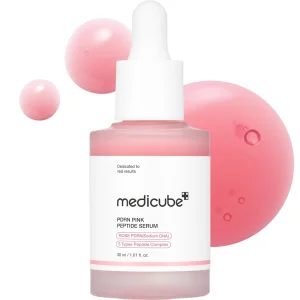
Explore our highly-requested formulations and equipment selected for global distribution, showcasing advanced B2B customization potentials.
The macroeconomic demand for skin brightening and hyperpigmentation correction differs significantly across global jurisdictions. Understanding these market distinctions is key to maximizing distribution network ROI.
In Western economies, consumer preference has shifted away from direct "skin whitening" towards "radiance," "skin glow," and "even tone restoration." The focus centers on correcting photodamage (age spots), post-inflammatory hyperpigmentation (PIH) caused by acne, and overall skin dullness.
Procurement teams are actively searching for botanical brighteners combined with classic dermatological actives (such as Vitamin C, Niacinamide, and Retinols) that comply with strict Clean Beauty retail policies (Sephora Clean, Credo Beauty standards) and prohibit controversial bleaching ingredients like hydroquinone.
The Asia-Pacific sector (particularly East and Southeast Asia) maintains a massive market share for intensive skin whitening, translucent complexion formulations, and melasma-reduction lines. High-potency active combinations (such as Tranexamic Acid, Alpha-Arbutin, Glutathione, and specialized Korean-derived botanical complexes) dominate formulation requests.
In the Middle East and Africa, skin tone evening products that address stubborn hyperpigmentation without compromising the skin's lipid barrier are highly sought-after. Manufacturers must offer flexible, high-stability emulsions that perform in warm, humid climates without destabilizing.
Industrial-scale cosmetic production requires precise control over environment, machinery, and raw materials. Guangzhou Kushkie Beauty Co., Ltd. serves as a prime example of an advanced, compliant manufacturing hub capable of scaling international brands.
Established in 2013, Guangzhou Kushkie Beauty Co., Ltd. is a professional skincare and cosmetic manufacturer specializing in the development, production, and customization of beauty and personal care products. Located in Guangzhou, Guangdong Province, China, the company operates a modern manufacturing facility covering over 12,000 square meters and employs more than 250 professionals across research and development, production, quality assurance, packaging, and international business departments.
Kushkie Beauty focuses on providing comprehensive OEM and ODM solutions for global beauty brands, distributors, retailers, e-commerce sellers, and private-label companies. Its product portfolio includes facial skincare products, body care solutions, beauty cosmetics, personal care formulations, botanical skincare products, clean beauty solutions, and customized cosmetic developments designed to meet diverse market demands.
The company maintains advanced production workshops equipped with automated filling lines, emulsification systems, purification facilities, and laboratory testing equipment. By implementing strict quality control procedures throughout raw material sourcing, formulation development, production, packaging, and final inspection, Kushkie Beauty strives to ensure product consistency, safety, and regulatory compliance.
Supported by an experienced R&D team, the company continuously develops innovative formulations based on market trends, consumer preferences, and evolving industry requirements. Flexible customization services include formula development, ingredient selection, fragrance customization, packaging design, brand labeling, and full private-label manufacturing support.
Serving customers across North America, Europe, the Middle East, Southeast Asia, and other international markets, Kushkie Beauty has established long-term partnerships with beauty brands seeking reliable manufacturing capabilities and scalable production solutions.
Through ongoing investment in product innovation, sustainable manufacturing practices, and operational efficiency, Guangzhou Kushkie Beauty Co., Ltd. remains committed to delivering high-quality skincare and cosmetic manufacturing services while supporting the growth and success of beauty brands worldwide.
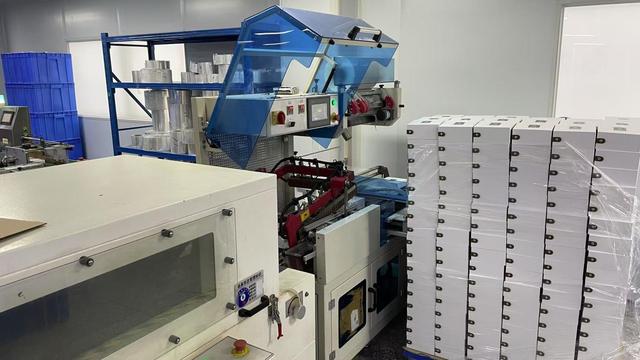
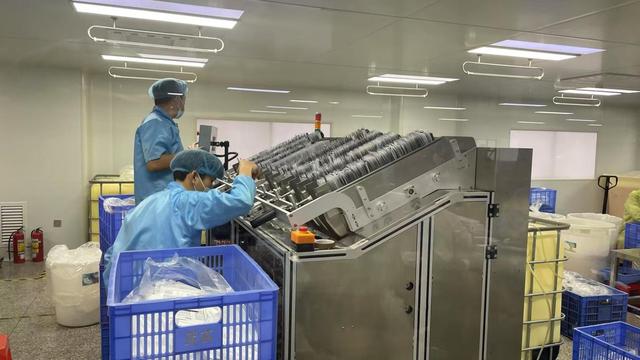
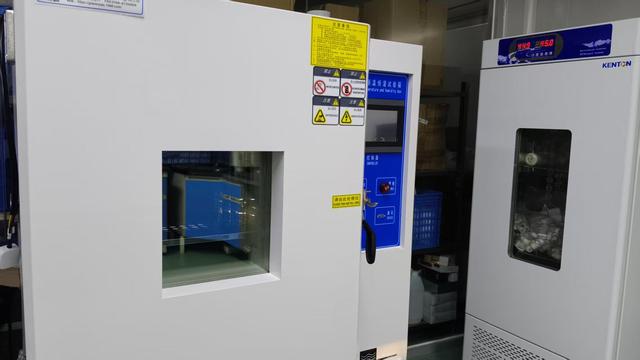
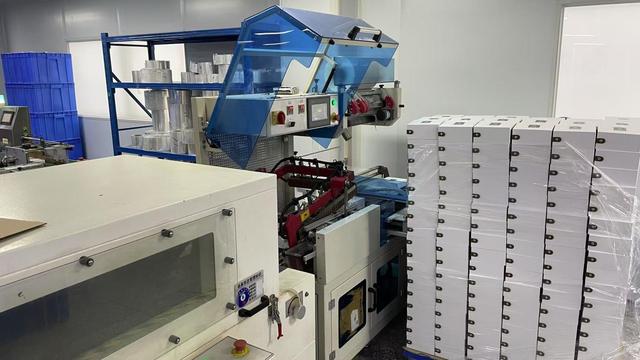
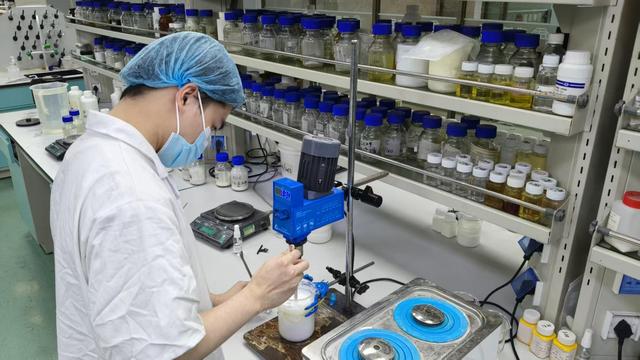
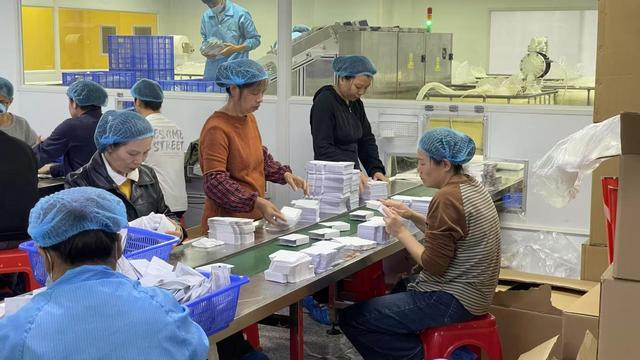
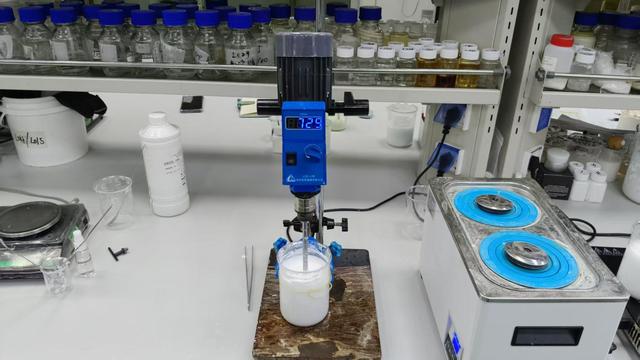
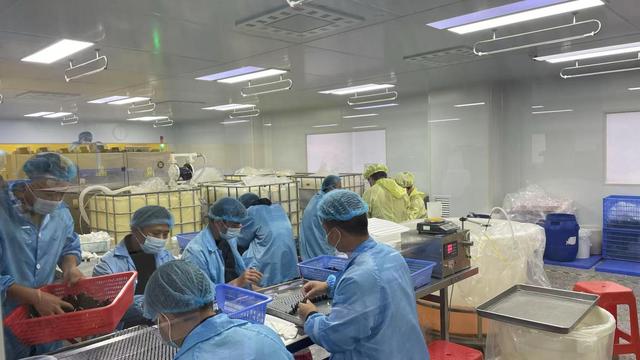
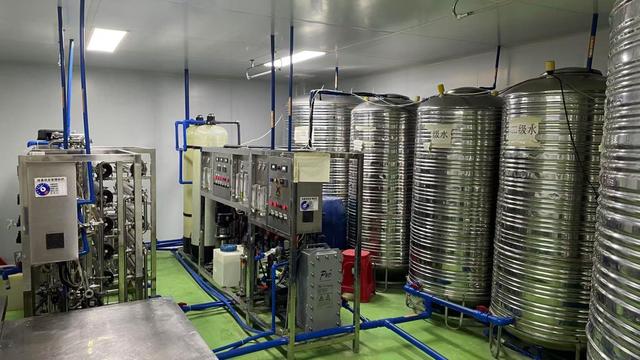
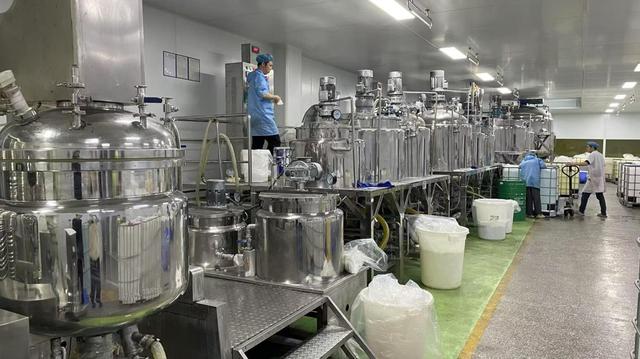
Ensuring high cosmetic sanitation and processing operations.
International manufacturing safety protocols adhered to strictly.
Air particulate-controlled spaces for aseptic filling and emulsification.
Every batch of raw ingredients undergoes strict analytical verification.
To preserve long-term market competitiveness, global brand planners must integrate future research trajectories into their pipeline. Top manufacturing R&D centers are developing these key areas:
Traditional active brighteners often fail to penetrate the stratum corneum, leading to rapid degradation or oxidation on the skin's surface. Innovative factories are utilizing sub-micron liposomal encapsulation and solid lipid nanoparticles (SLN) to shield active molecules like ascorbic acid, L-glutathione, and Resveratrol, promoting deep dermal delivery and sustained slow-release dynamics.
R&D is moving beyond generic chemical exfoliants to bio-mimetic oligopeptides (e.g., Oligopeptide-68, Nonapeptide-1). These engineered sequences act as competitive antagonists to alpha-MSH (melanocyte-stimulating hormone) receptors, blocking the activation of tyrosinase. This targets uneven skin tone with minimal skin irritation.
Recent studies link skin barrier inflammation with triggered melanogenesis. Incorporating postbiotics, fermented organic filtrates, and prebiotic nourishment balances the cutaneous microbiome, neutralizing sub-clinical inflammatory pathways that cause chronic post-inflammatory hyperpigmentation.
Leveraging artificial intelligence to simulate active synergy and predictive compatibility profiles. Advanced labs use algorithms to calculate pH degradation bounds under thermal stress, drastically shortening prototype cycles and lowering client R&D risk.
Launching cosmetic formulations globally requires navigating complex local regulations. The same brightening serum formula cannot be distributed in the European Union, the United States, and China without modifications.
For instance, the US FDA regulates cosmetic ingredients under the Modernization of Cosmetics Regulation Act (MoCRA), requiring facility registrations, product listing, and robust safety substantiations. In Europe, the strict EC Regulation 1223/2009 demands a comprehensive Product Information File (PIF) compile, overseen by a designated Responsible Person (RP).
Guangzhou Kushkie Beauty Co., Ltd. supports global brands by offering complete documentation services, including:
Answers to crucial commercial and engineering questions for sourcing directors and product managers.
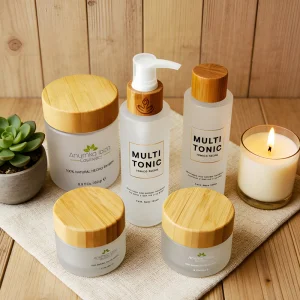
Explore additional high-performance formulations and sustainable cosmetic accessories ready for integration into your product lines.
 Kushkie Beauty